One person is the system
If a named individual is the only reason something keeps working, that is not a staffing problem. It is an architecture problem, and it is fixable.
Engineering consultancy · Malaysia
The scheduled jobs, the deployments, the data moving between teams, the parts customers never see — and never notice until they break. Mancube is hired to make those boring, and to leave your own people able to run them.
§01
If one of these is recognisable, the conversation is worth having. If none of them quite fit, §06 sets out where we fit and where we would bring somebody else in.
One person is the system
If a named individual is the only reason something keeps working, that is not a staffing problem. It is an architecture problem, and it is fixable.
You are told it cannot go on the internet
Regulated, government, defence or industrial work rules out most of the market. Systems that run with no connection at all are a specialism, not a setting.
Nobody can price the decision
Build or buy, migrate or stay, one platform or four. If the argument has run for months without a number attached, the missing thing is a measurement.
The bill grew and the reason did not
Cloud and vendor costs that nobody can attribute usually mean the environment is not described anywhere. That is recoverable.
§02
Every engagement is agreed against a measure before it starts. The last column is the one that matters — it is what we would both look at afterwards to decide whether the money was well spent.
None of the above promises a number. It names the measurement we would agree up front, so the result is checkable rather than a matter of opinion.
§03
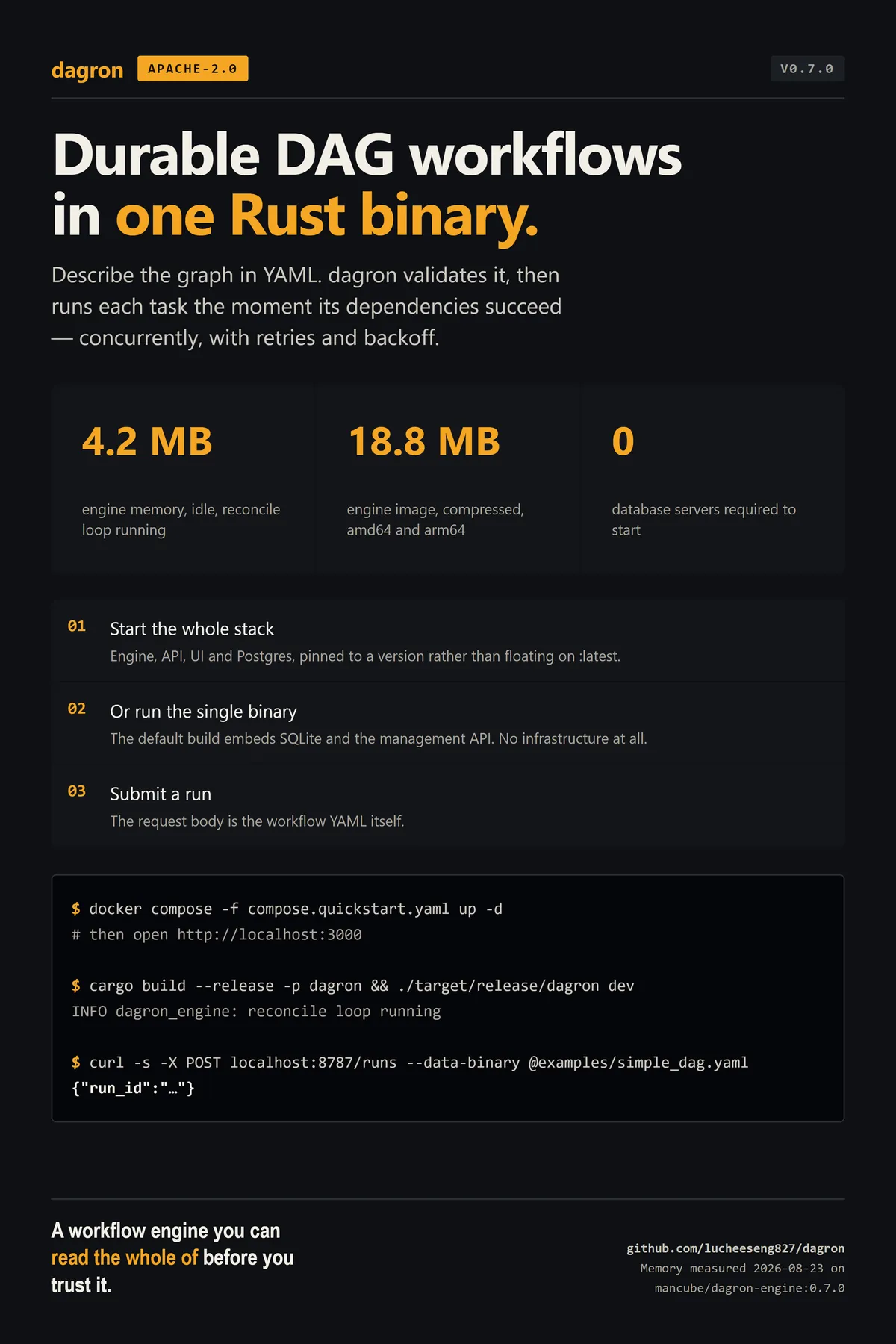
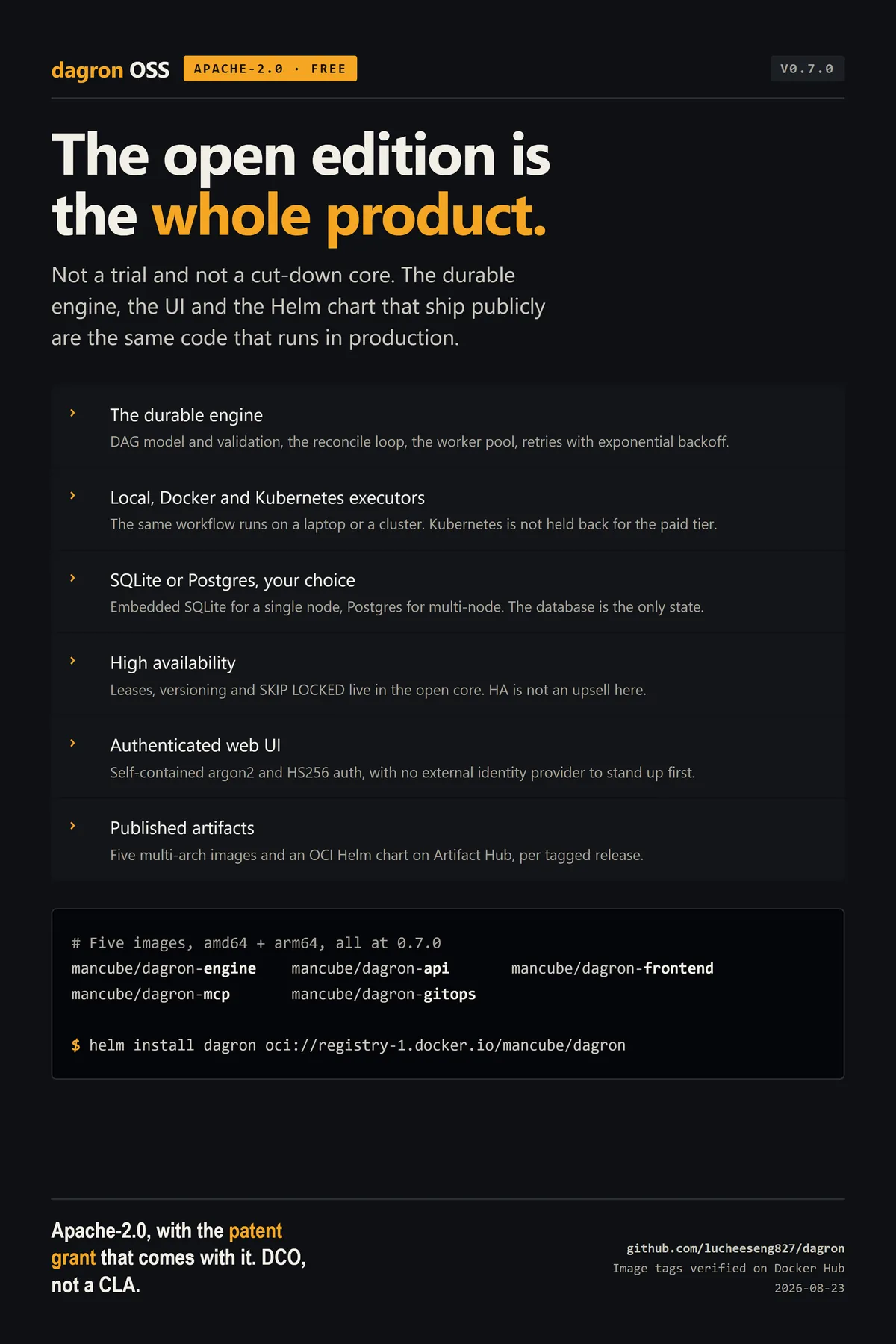
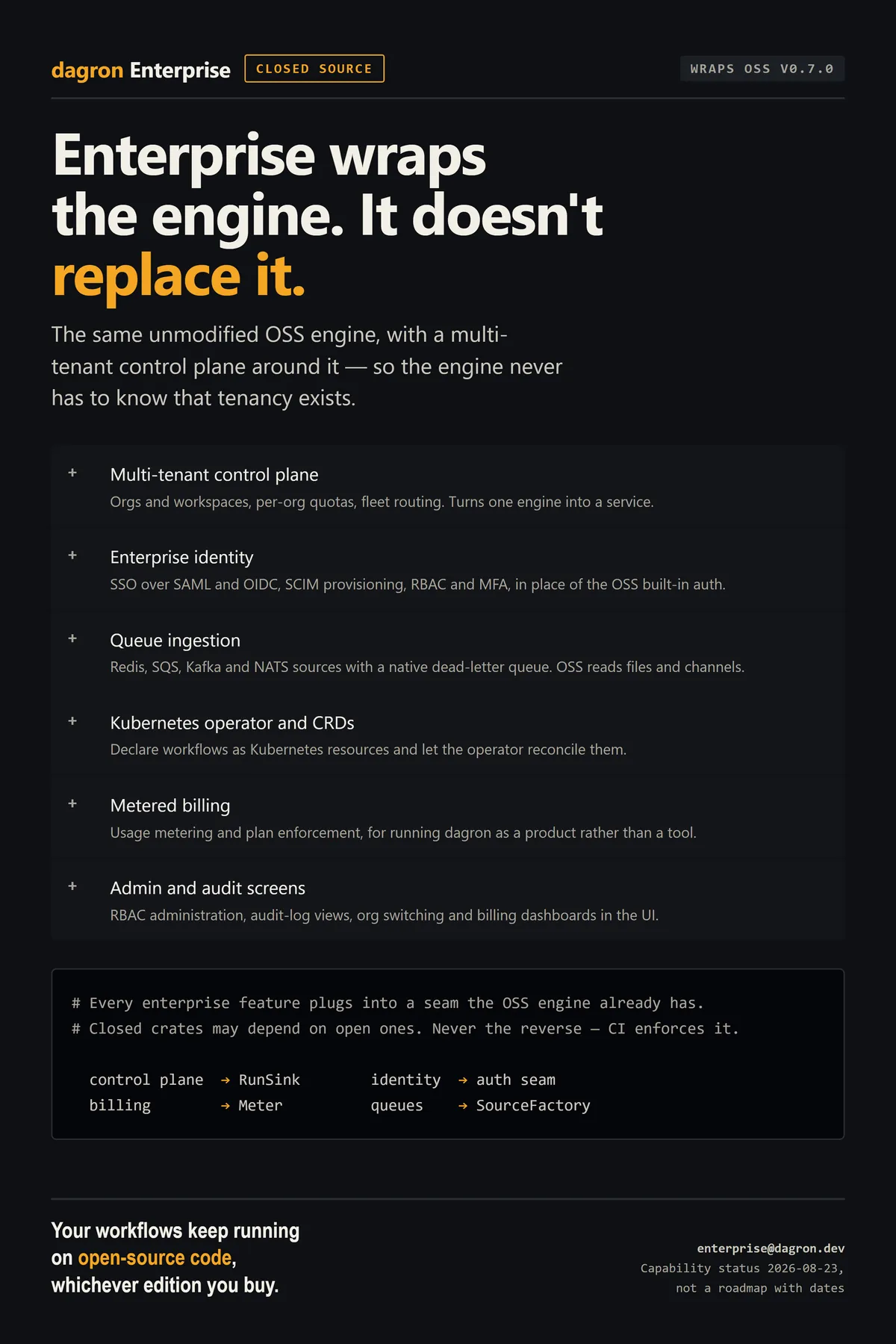
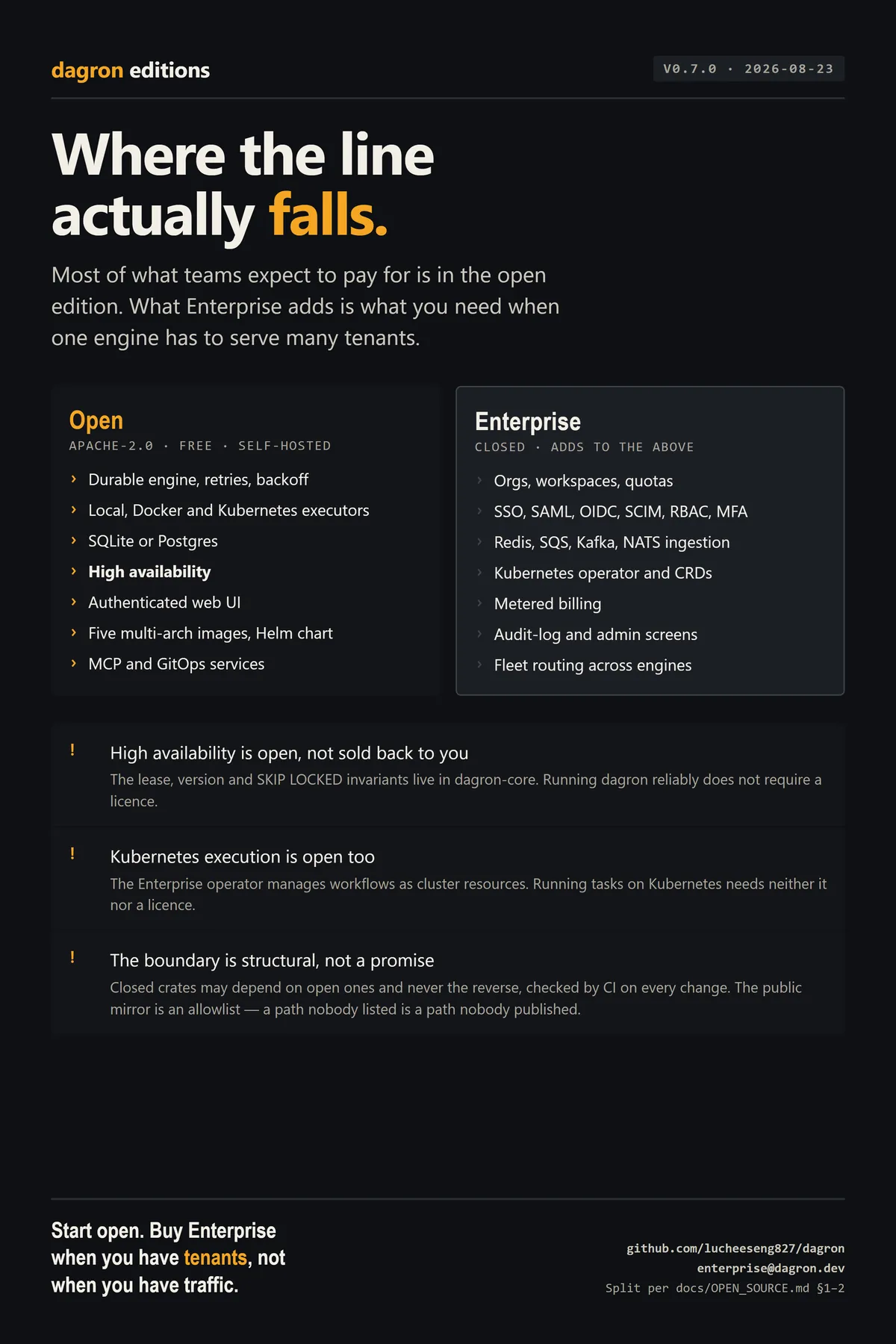
Consultancies are hard to judge from outside. So rather than references you cannot check, here is software we built and gave away — twelve finished products, eleven of them free and open for anyone to inspect, published under a licence that lets you keep them forever.
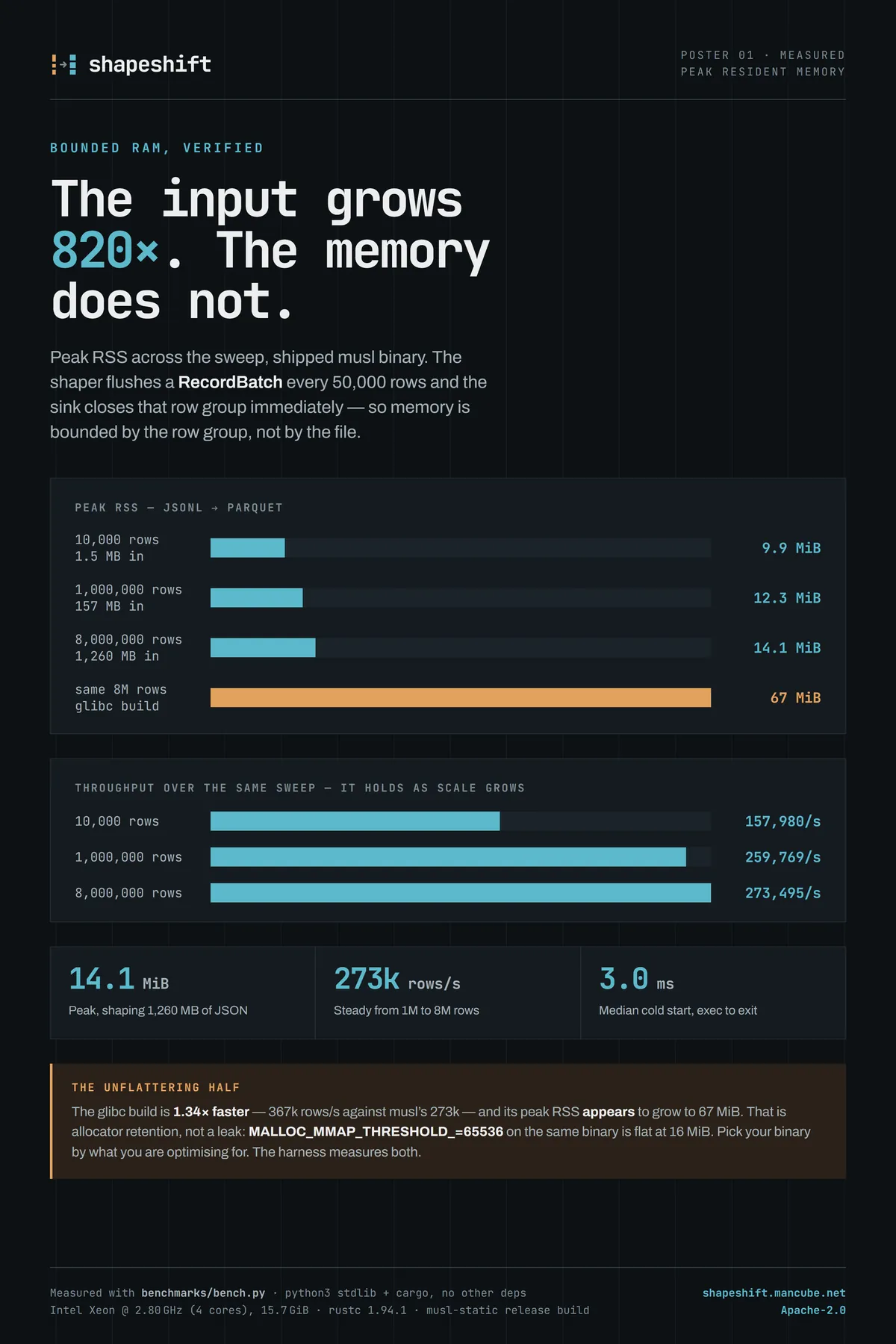
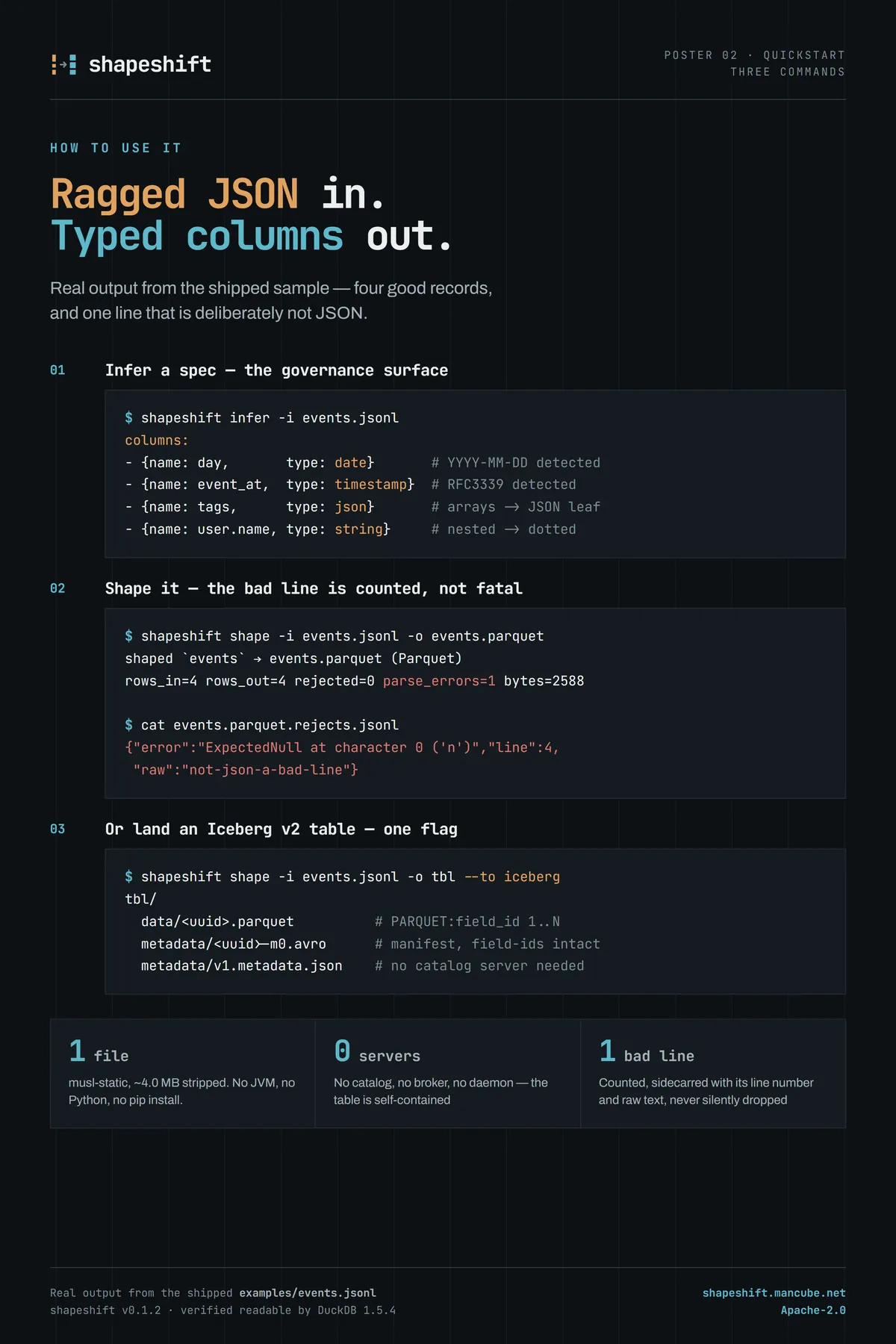
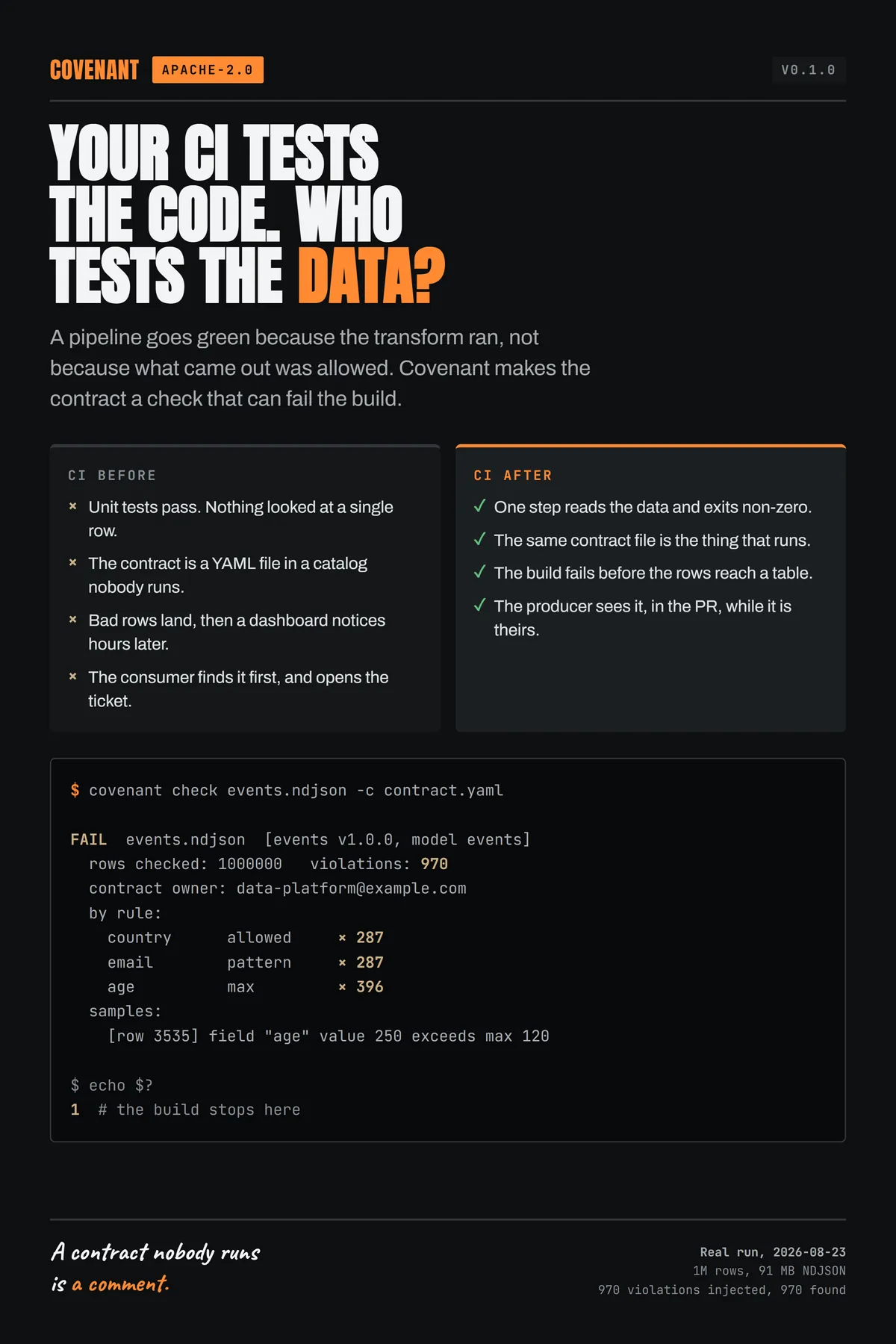
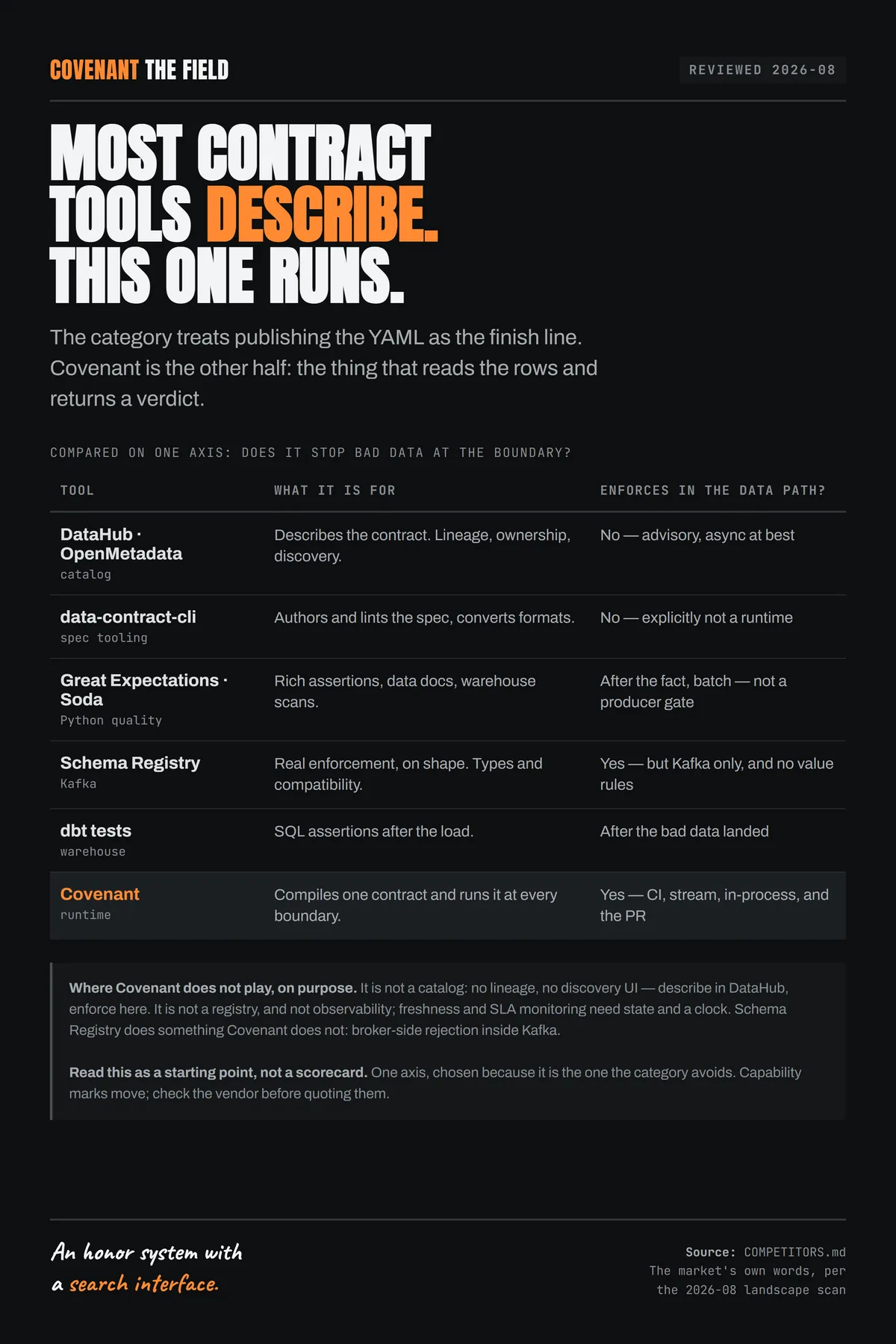
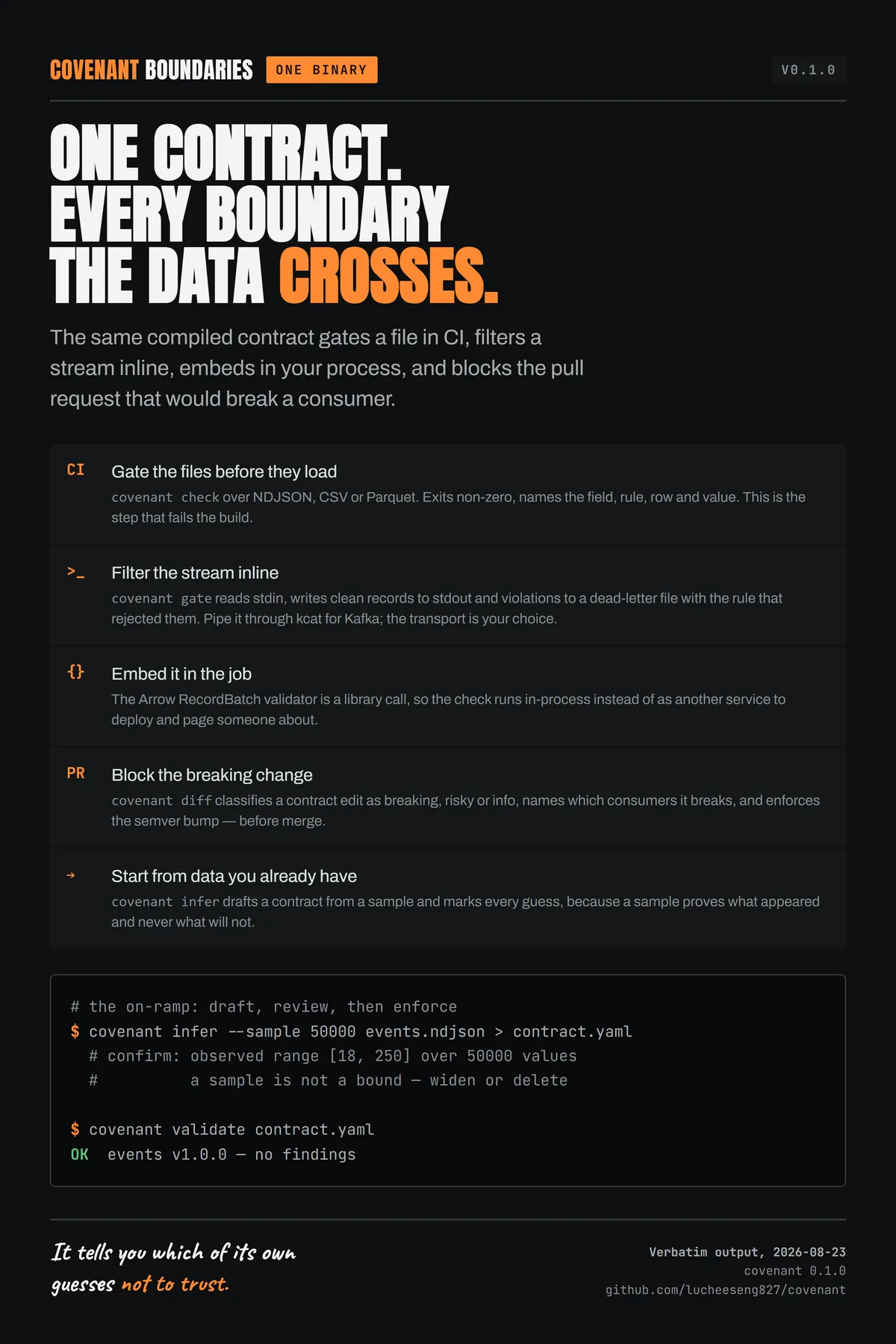
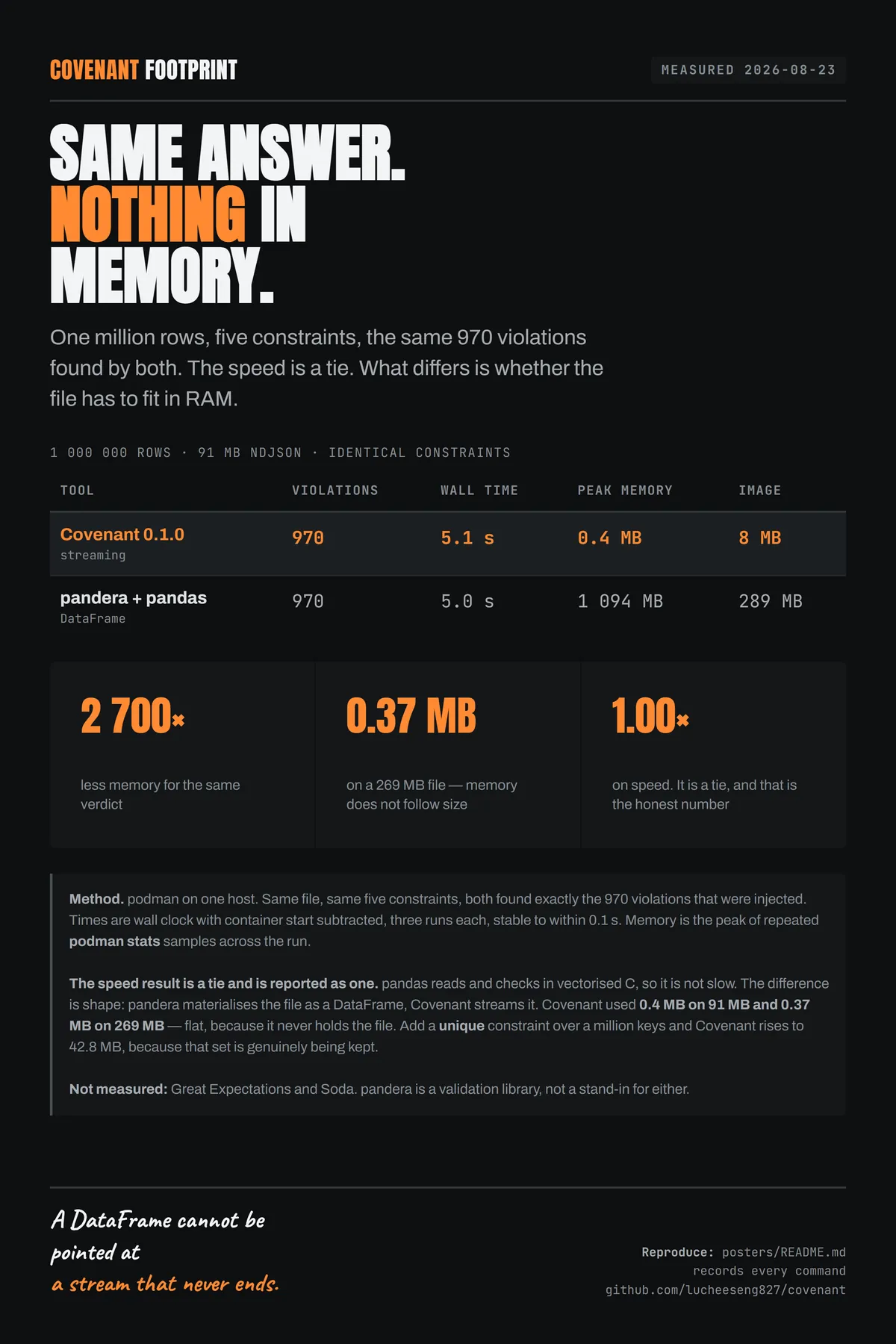
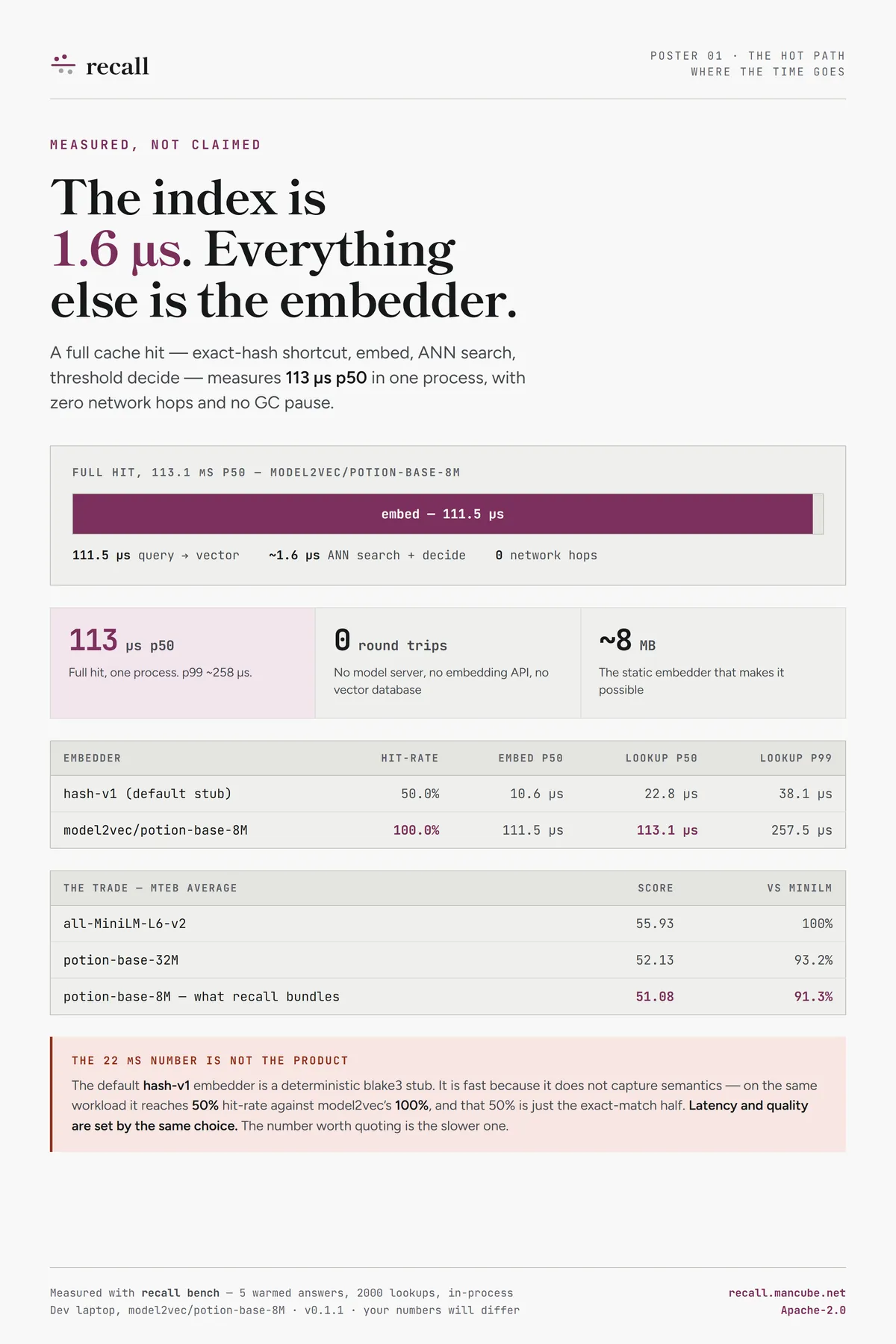
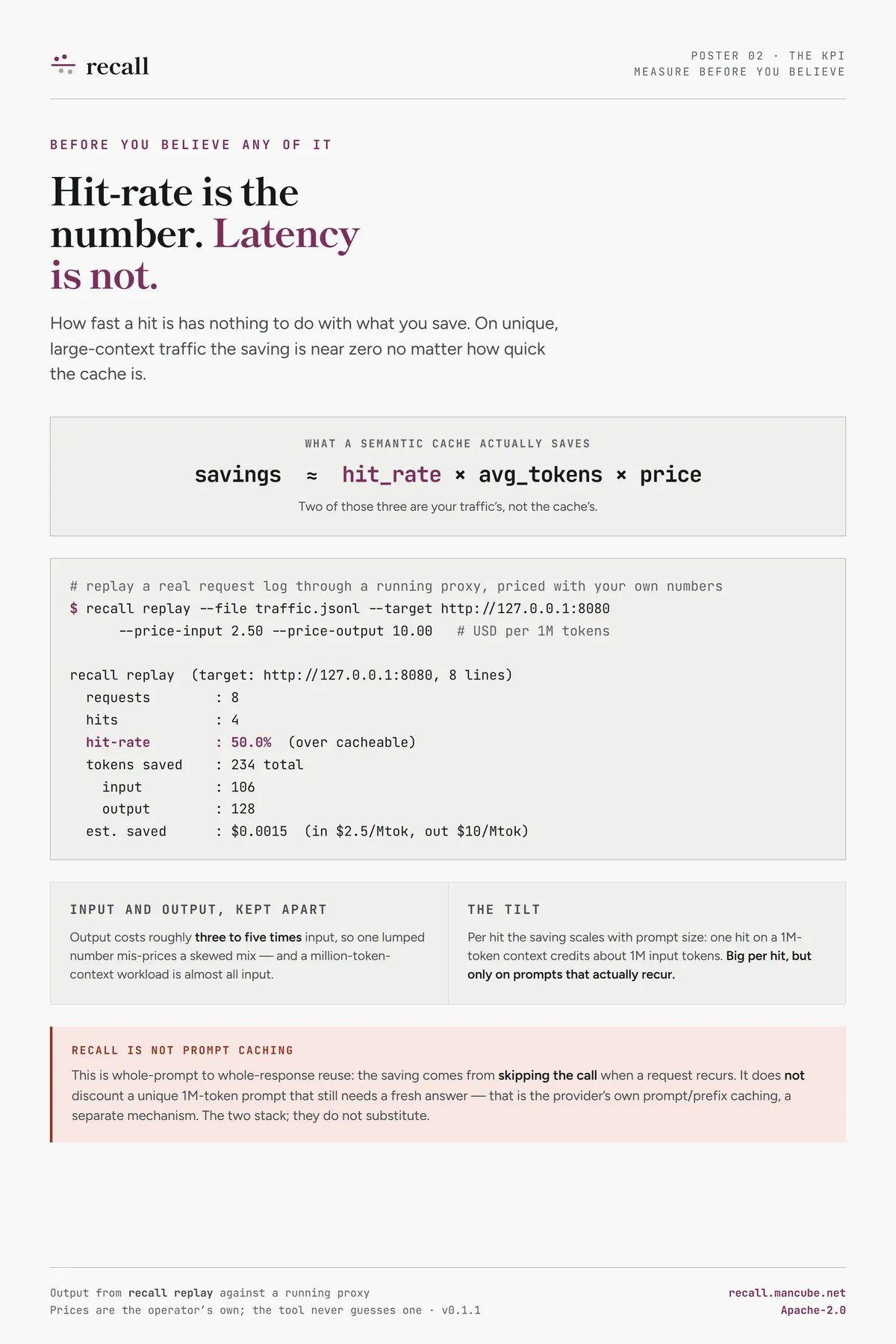
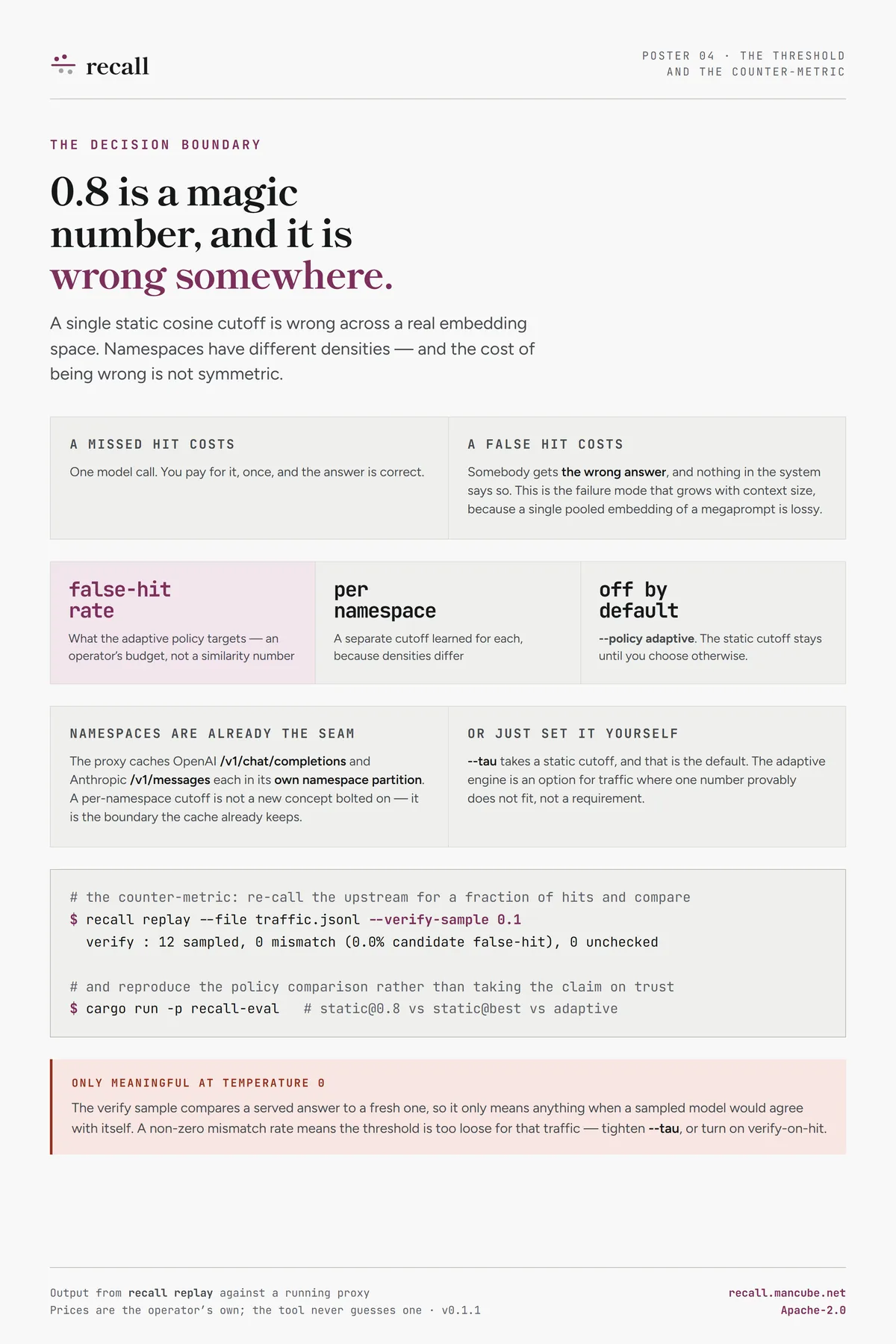
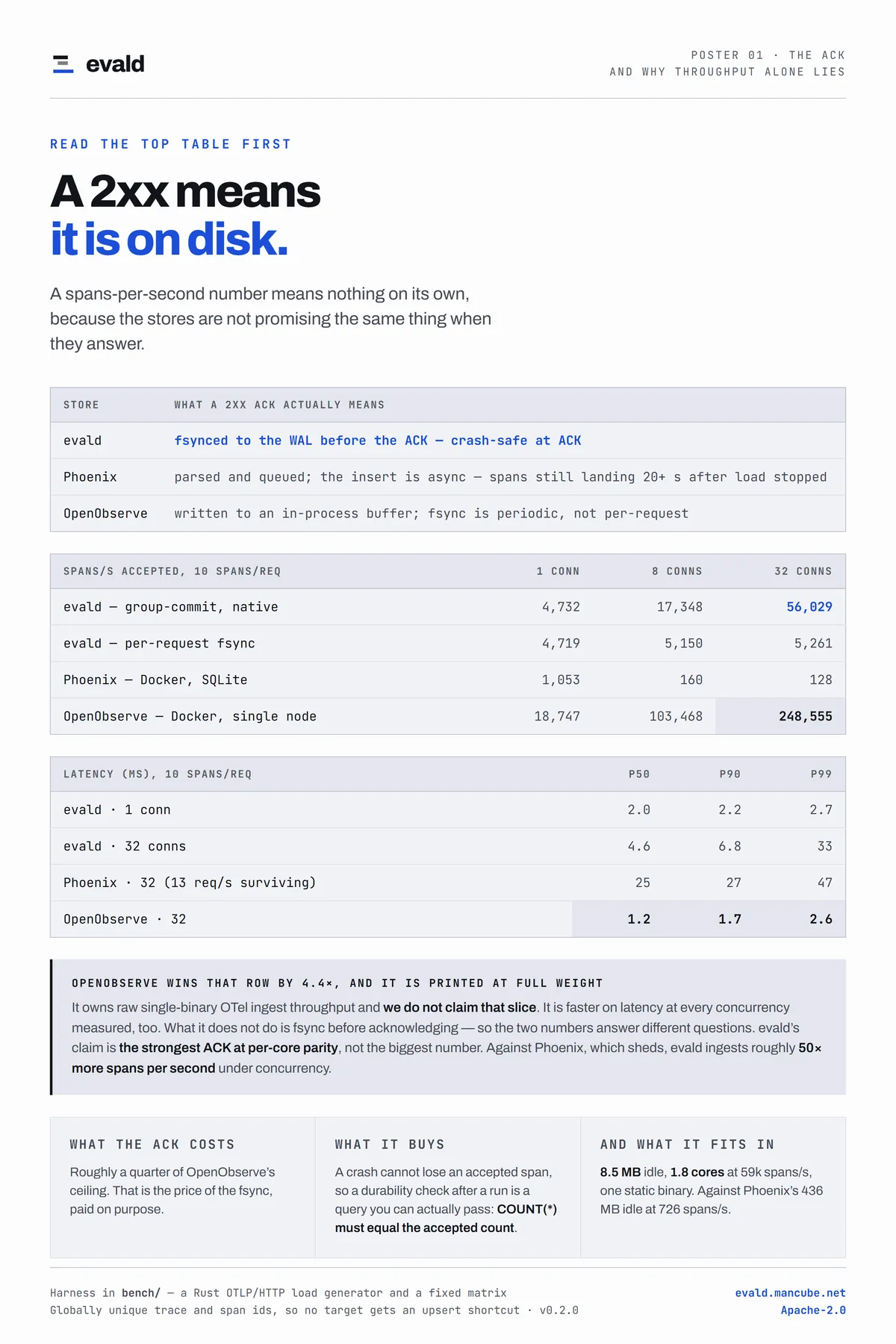
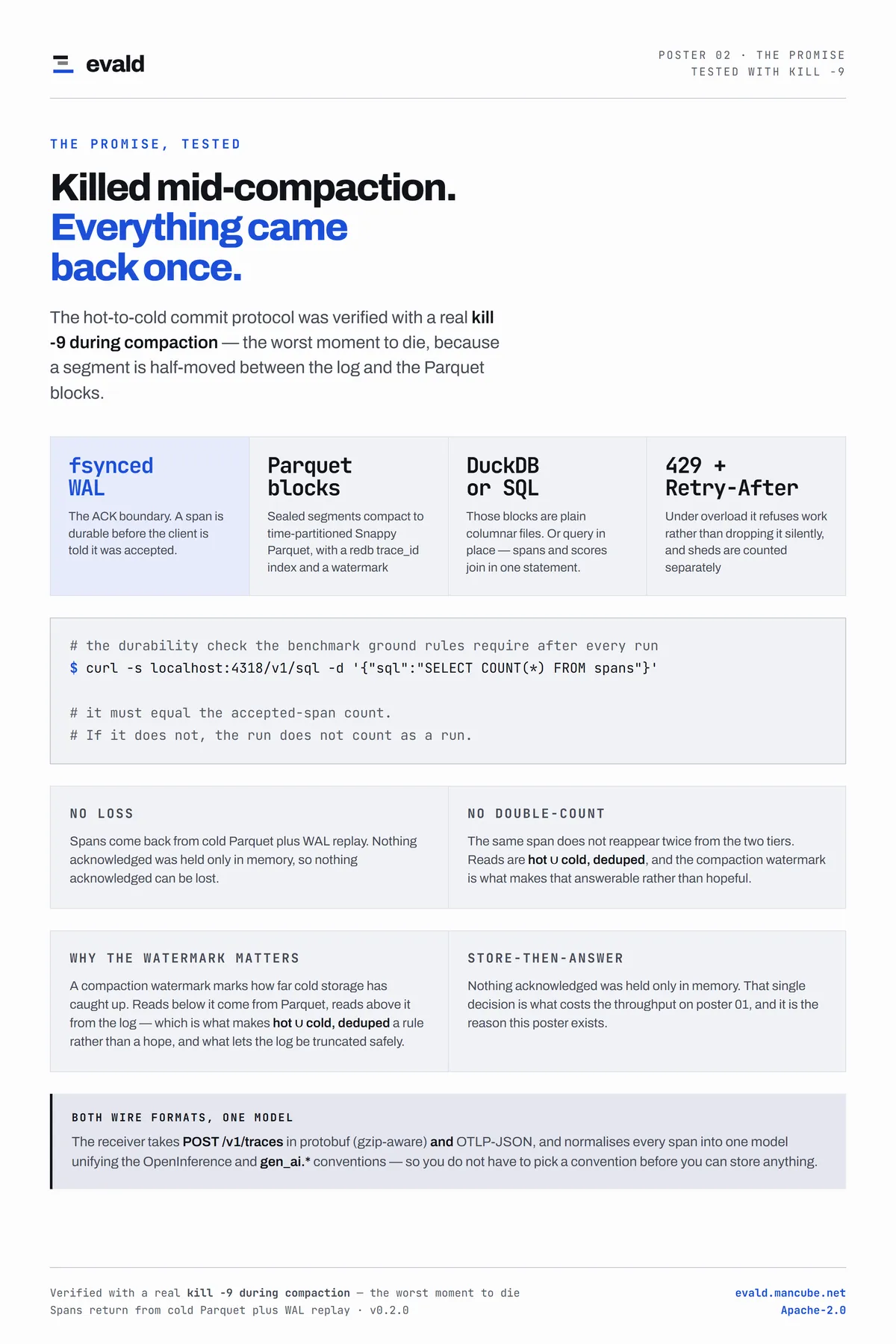
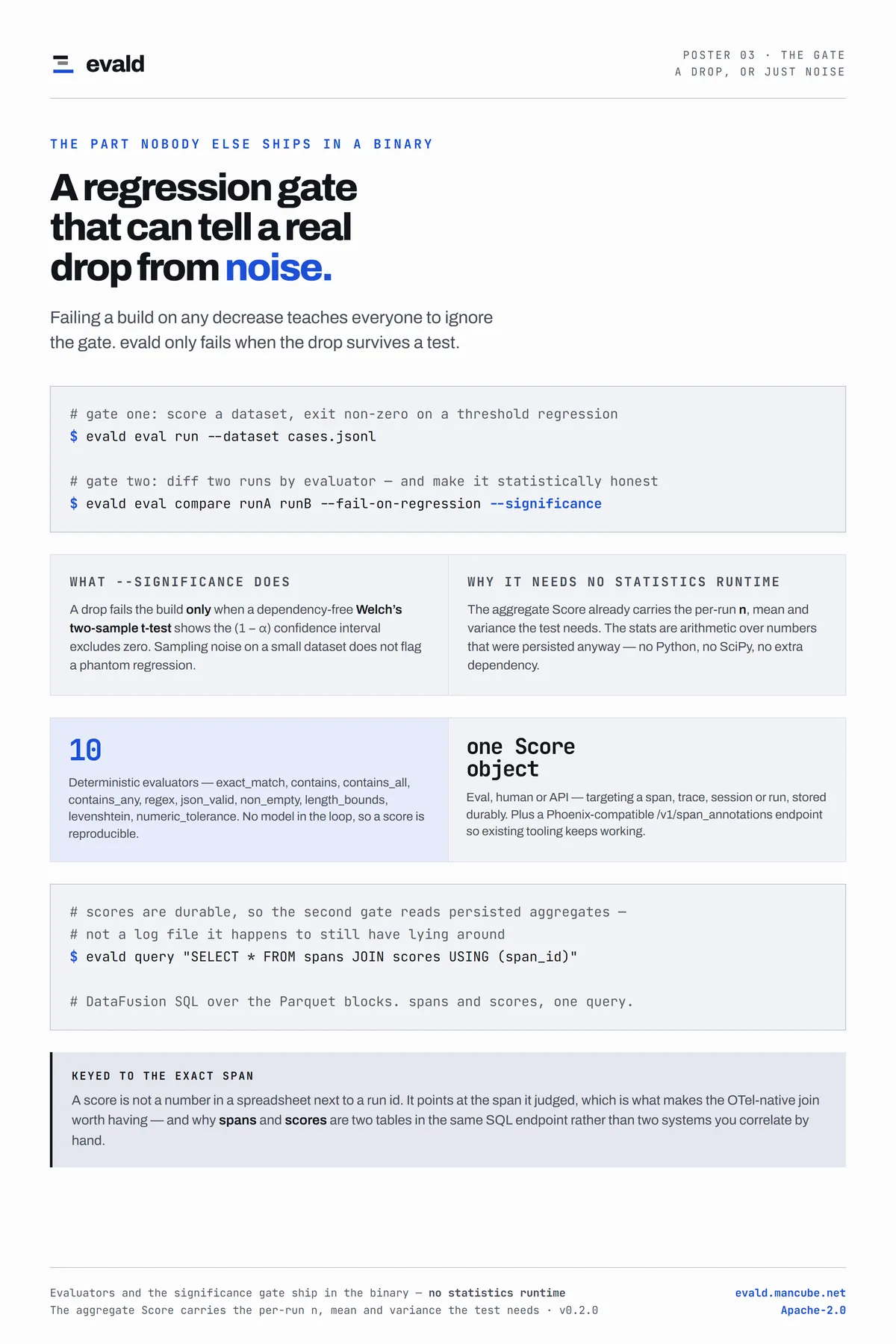
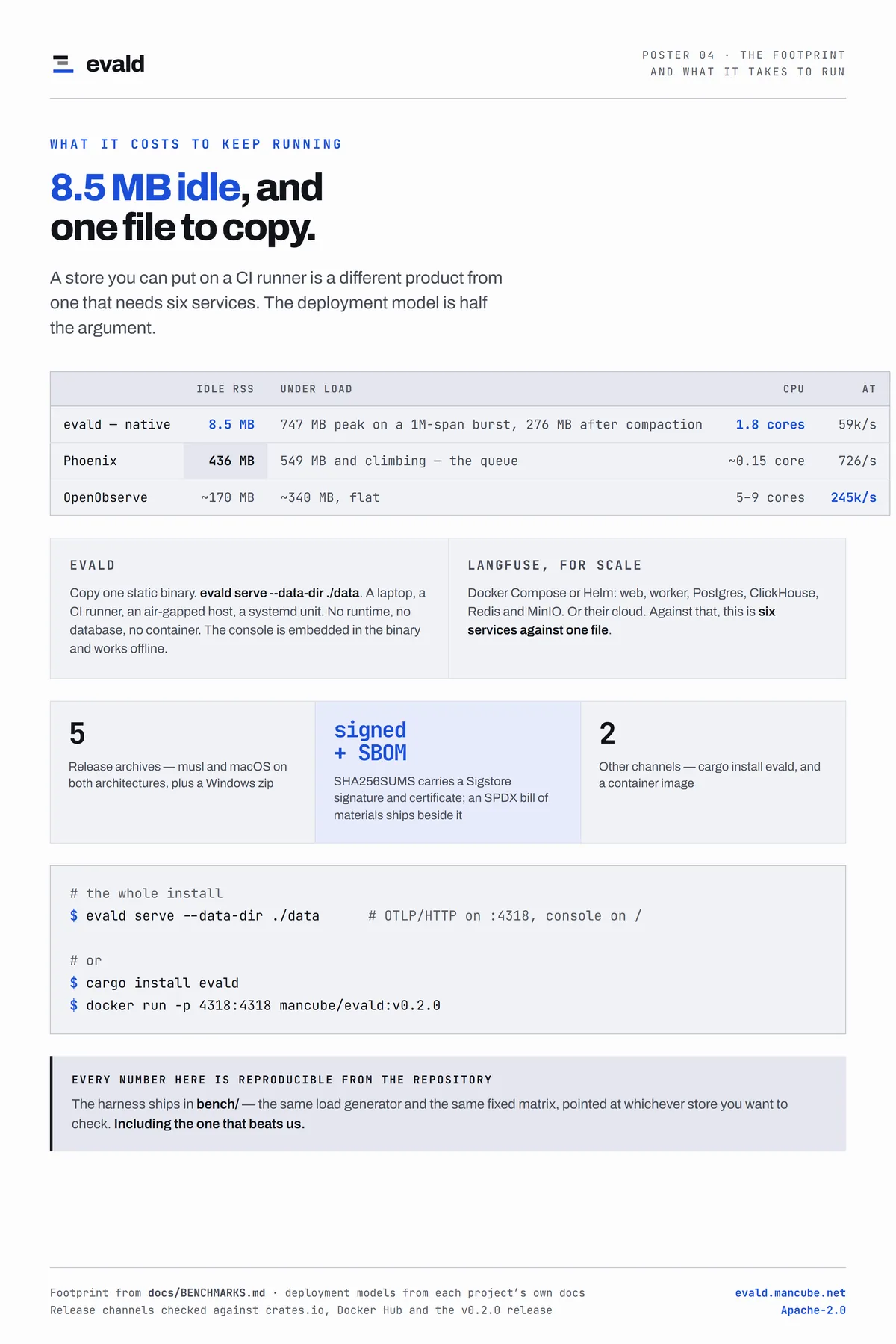
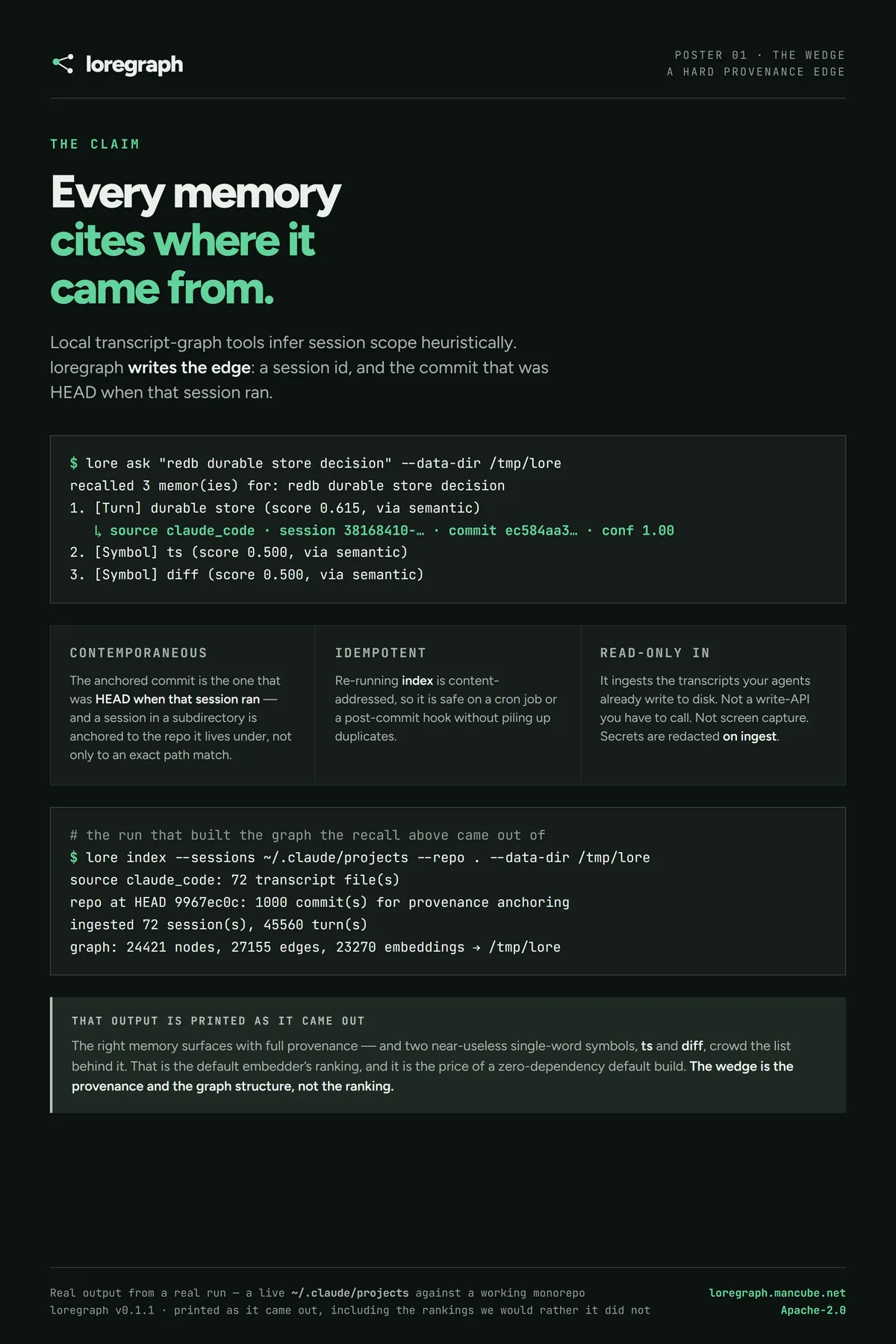
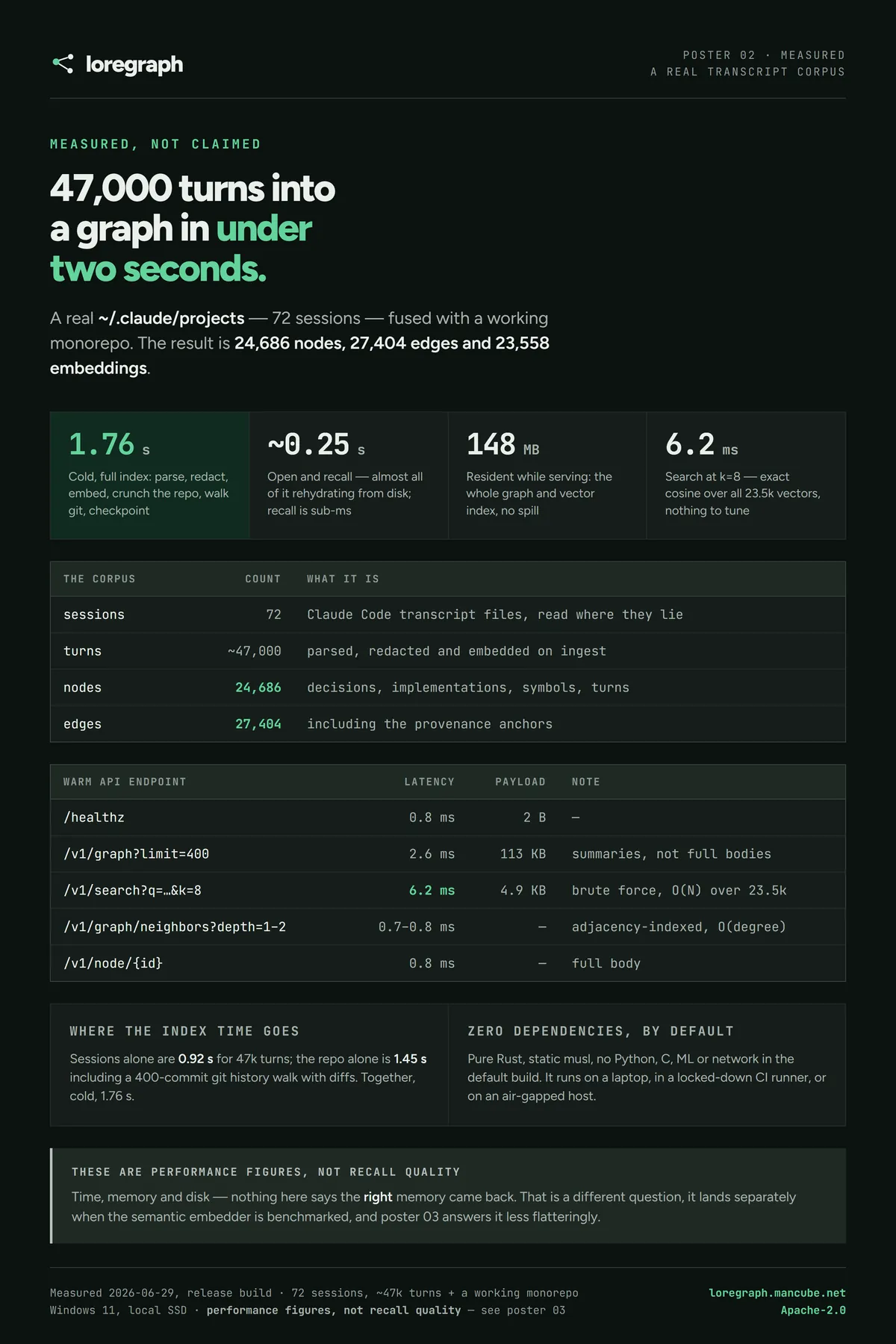
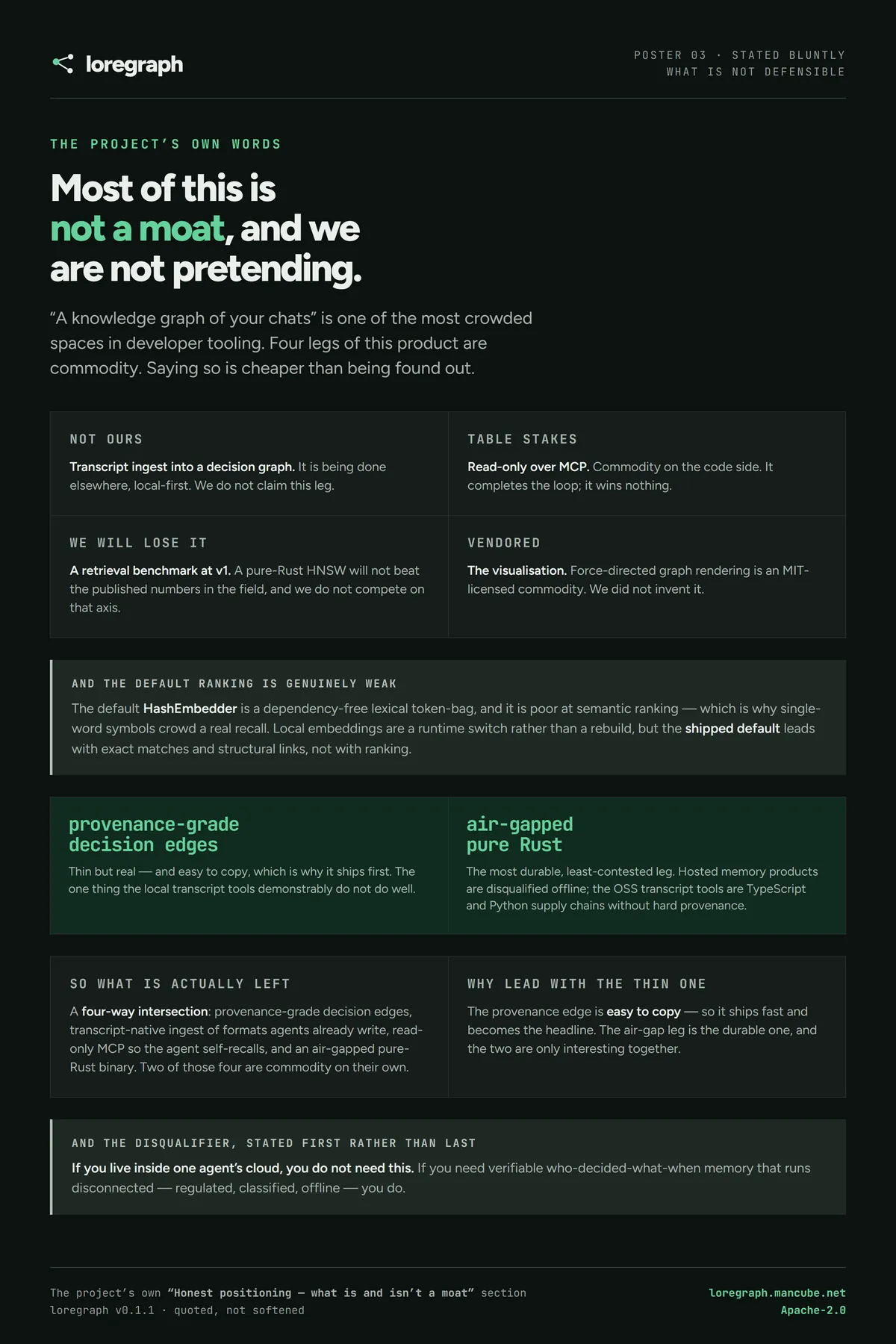
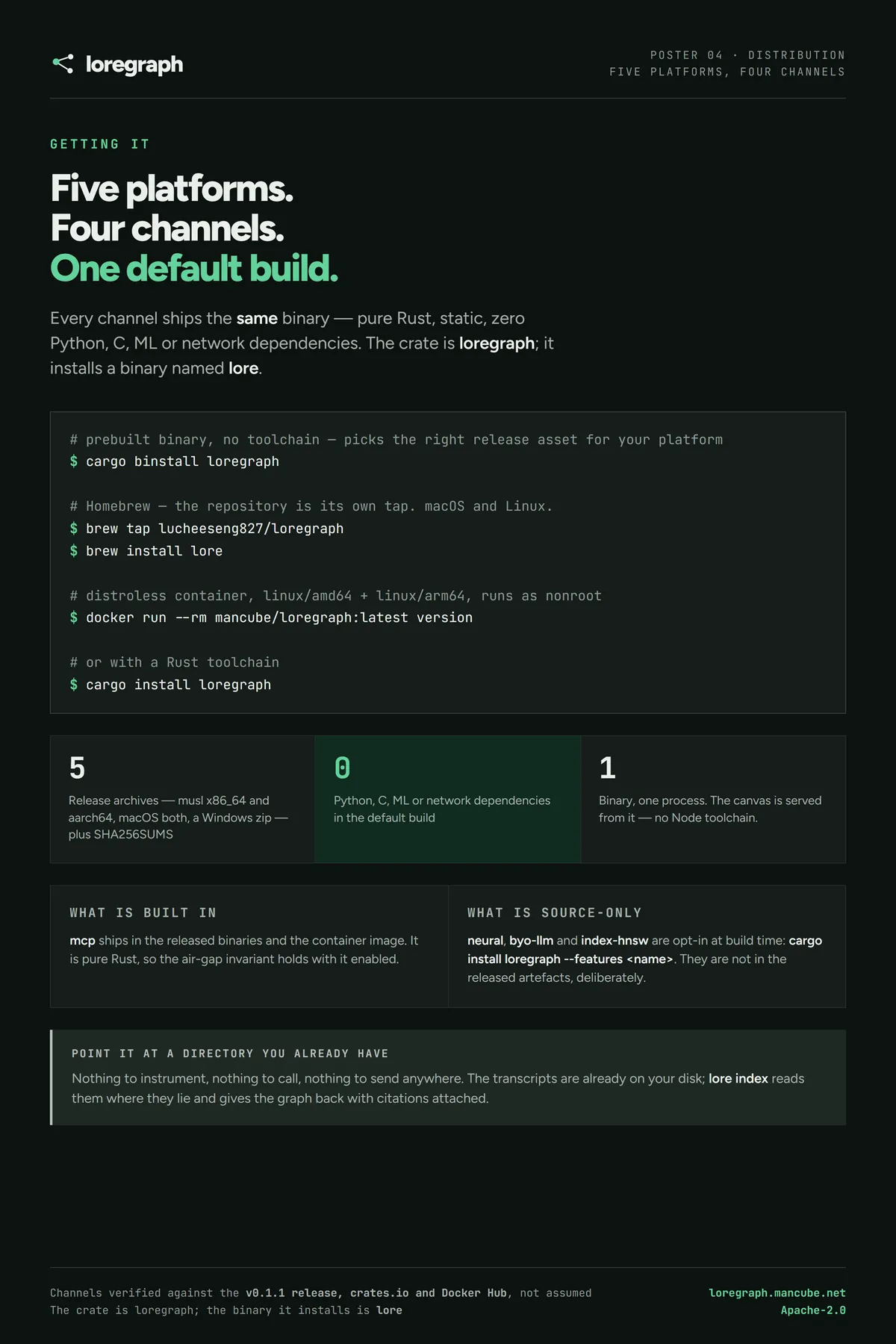
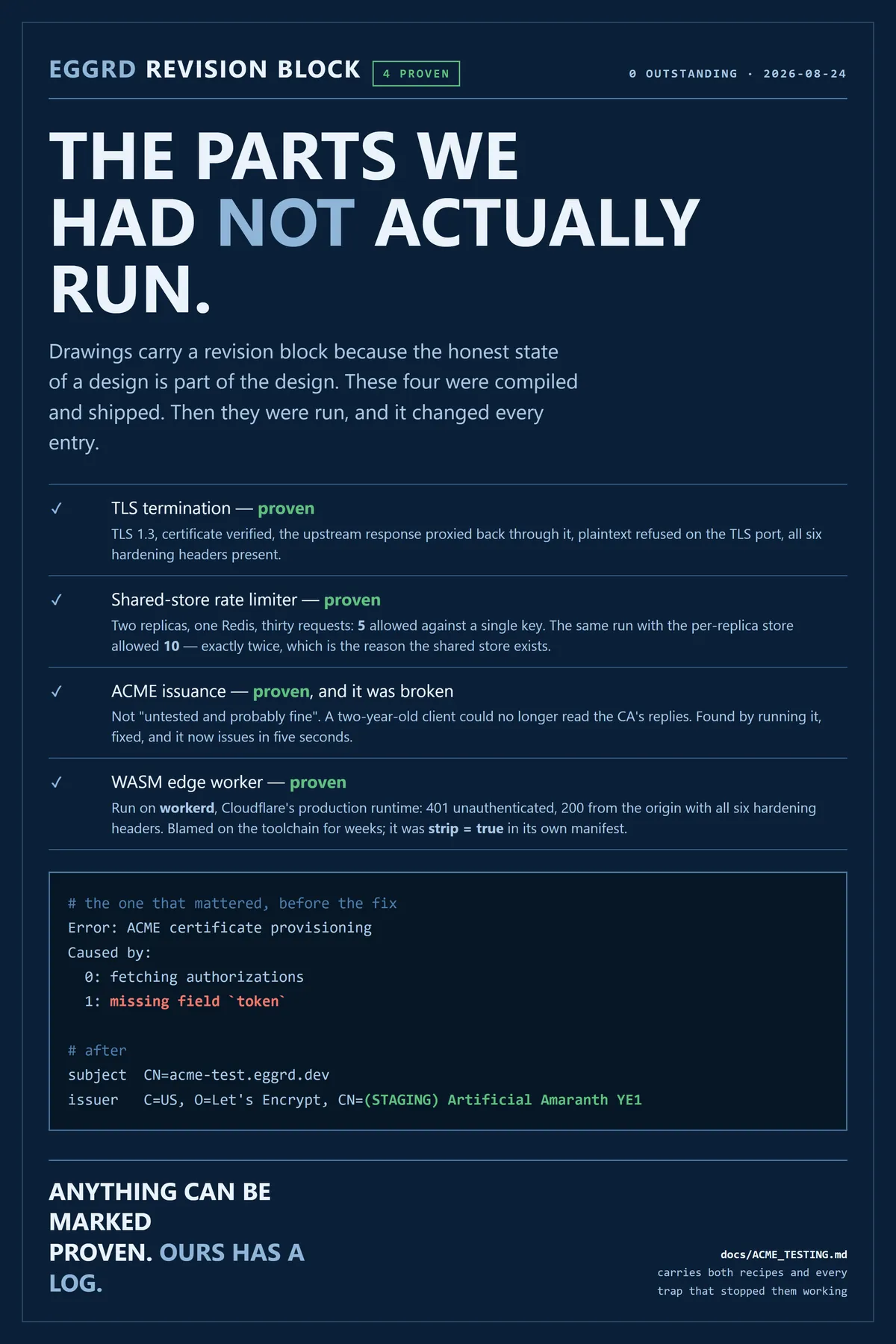
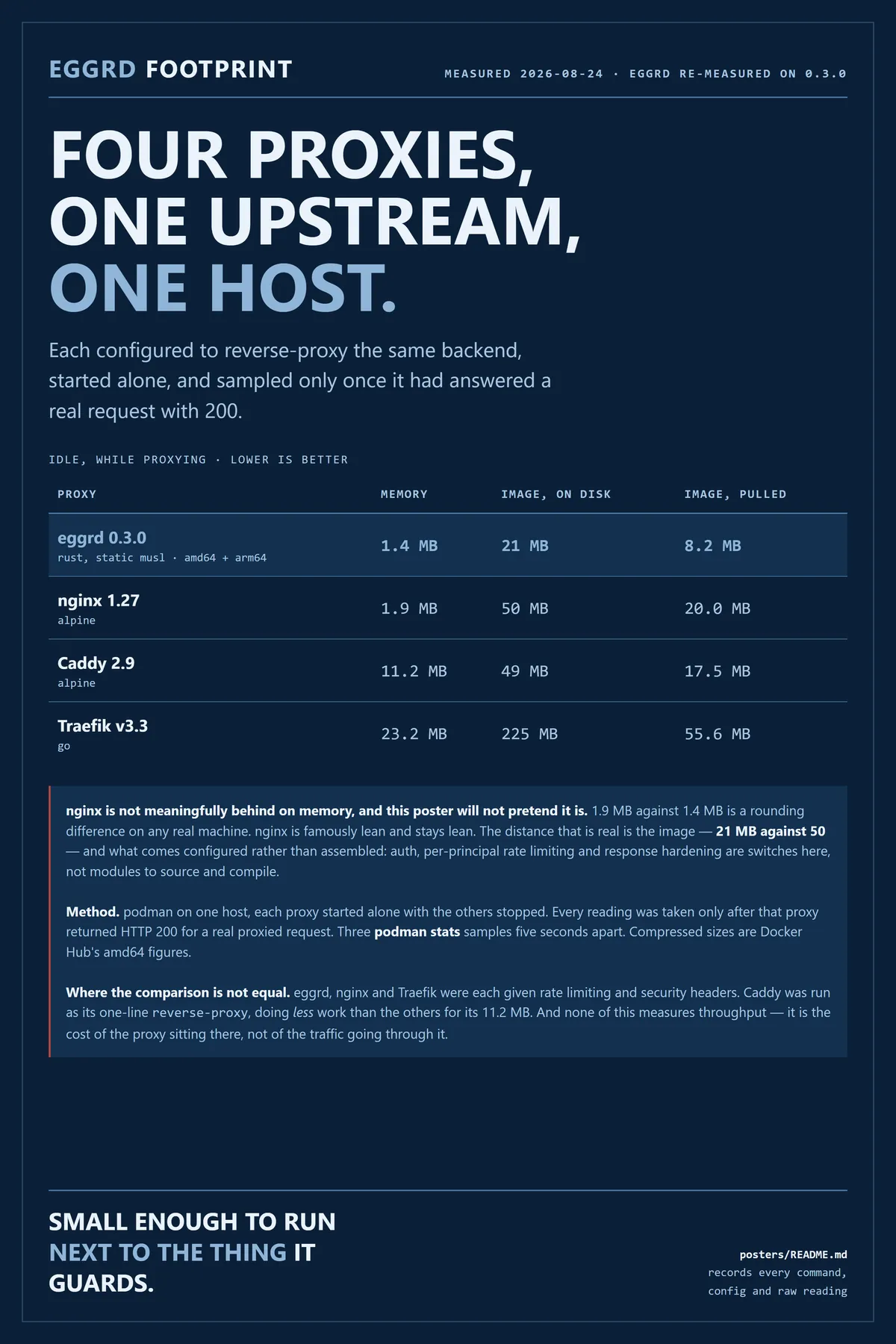
12 products finished and released11 given away, free and open46 posters, every figure from a real measurement11 of 12 run entirely on your own hardware
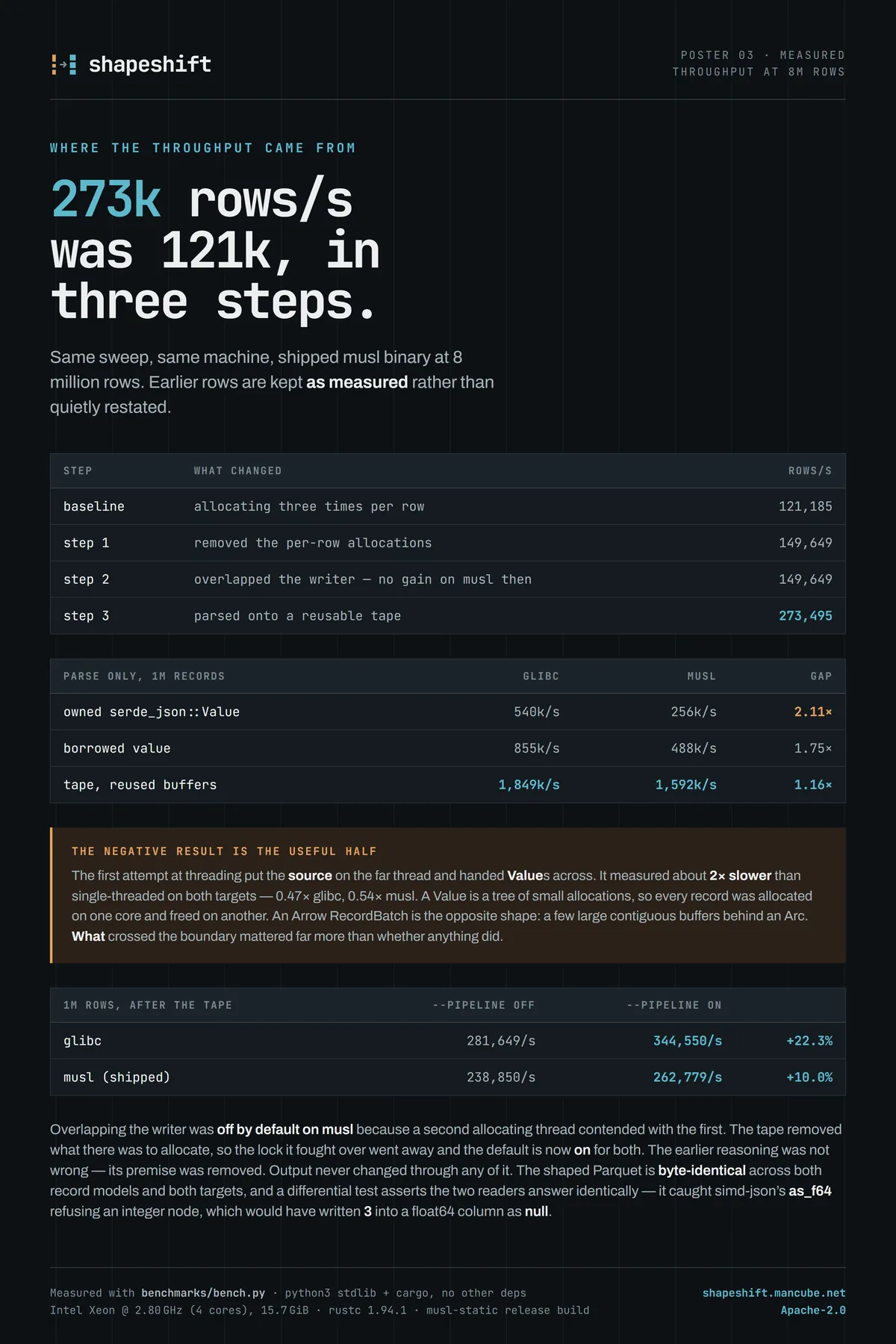
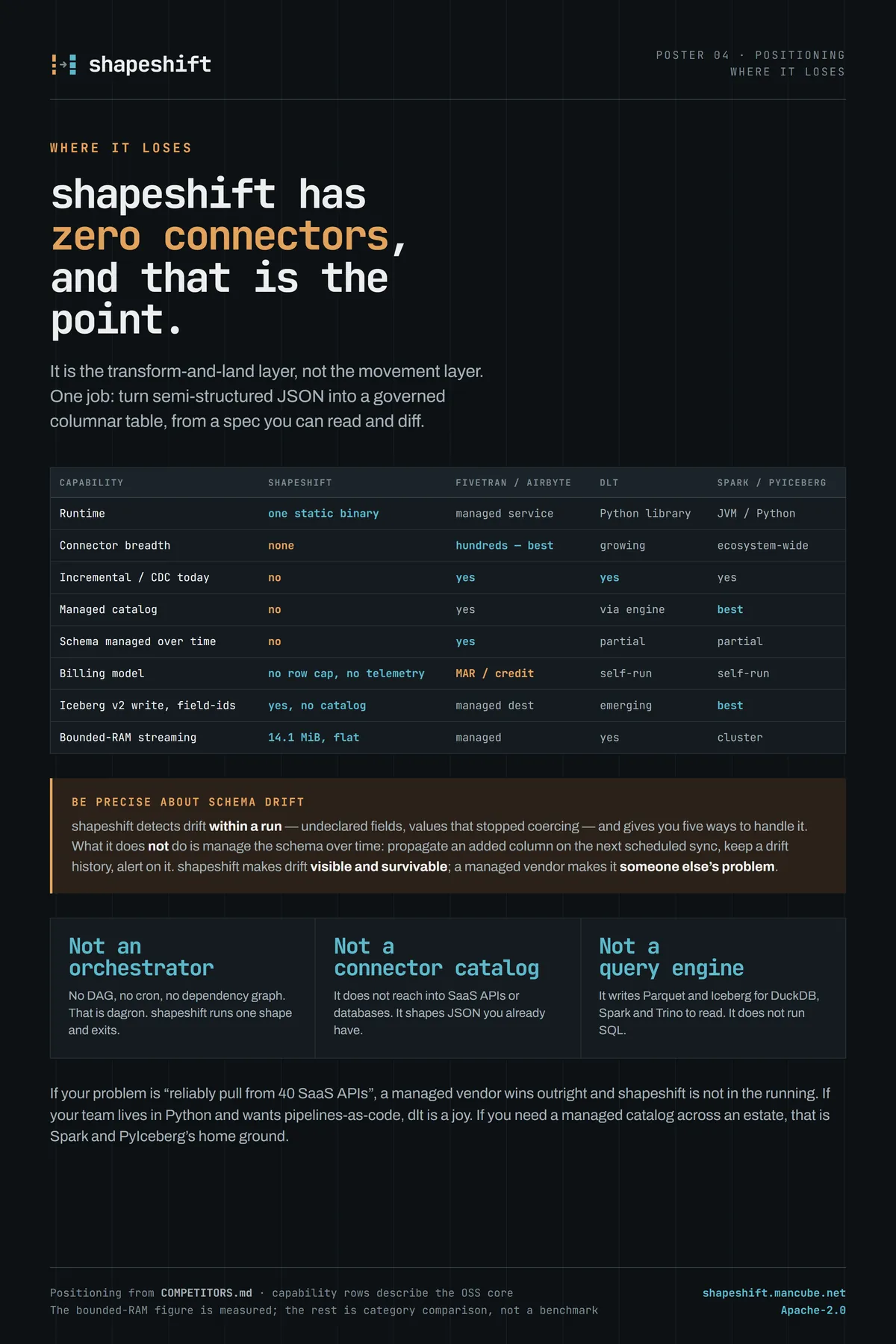
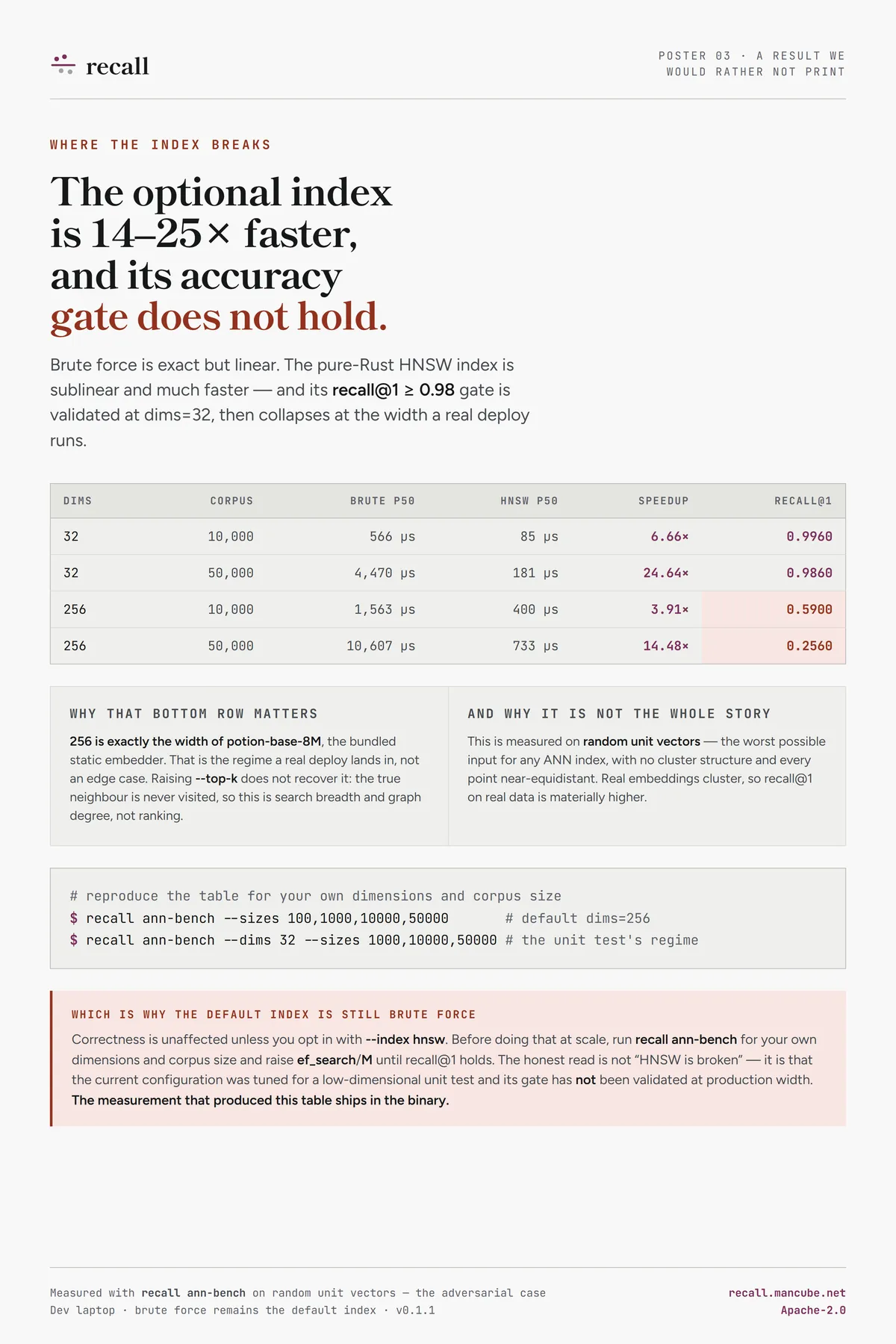
Why that is the evidence and not a brochure. Anyone can describe experience. Very few consultancies will hand you the actual work and invite you to take it apart — including the parts that did not go well. Each product below has a page of its own, and each of those pages publishes results that are unflattering as well as good: a competitor that is four times faster on one measure, an index of ours that fails its own accuracy target, a change that made a system slower before it made it faster.
That is the standard we would apply to your work too. If a number is uncomfortable, you get it anyway.
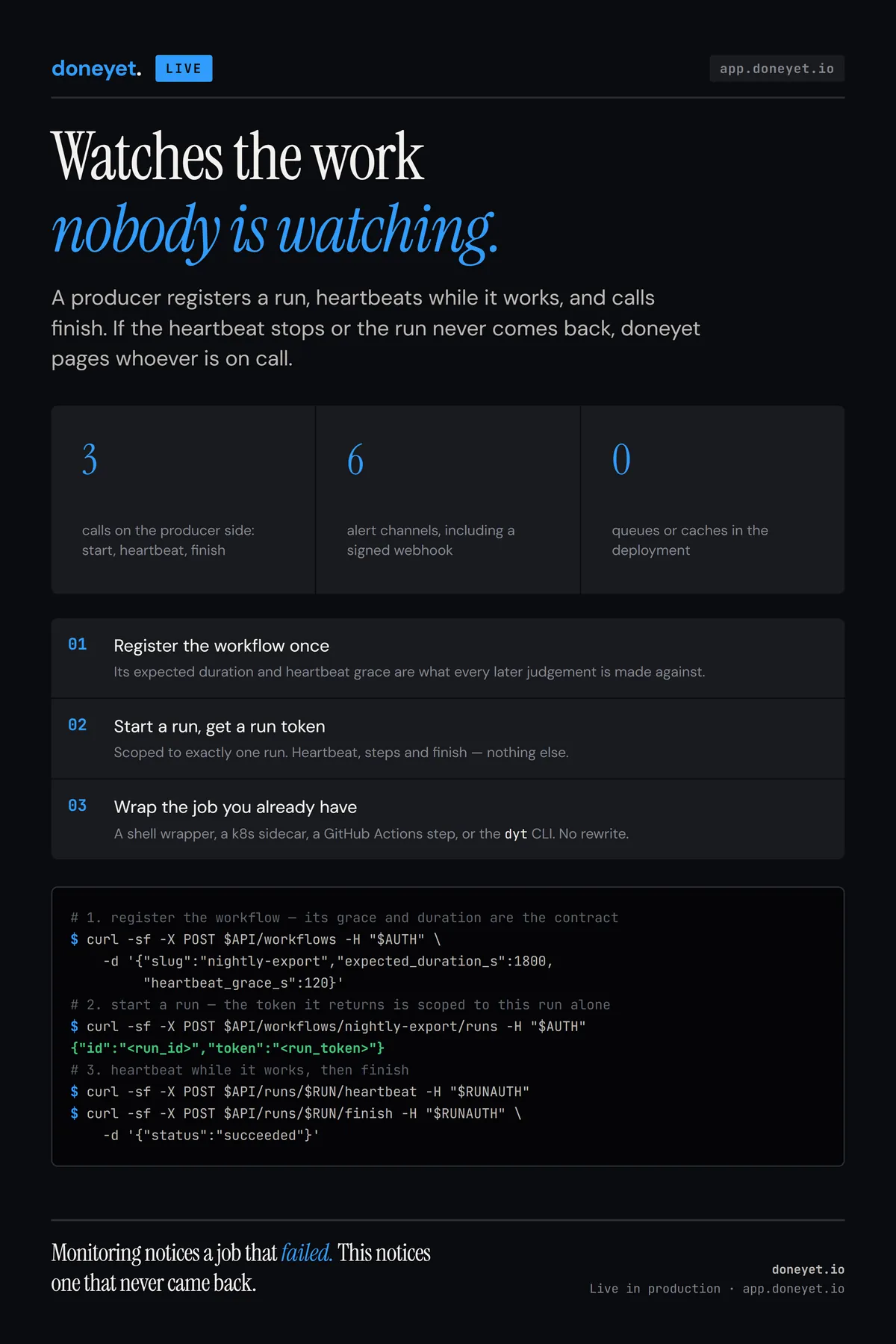
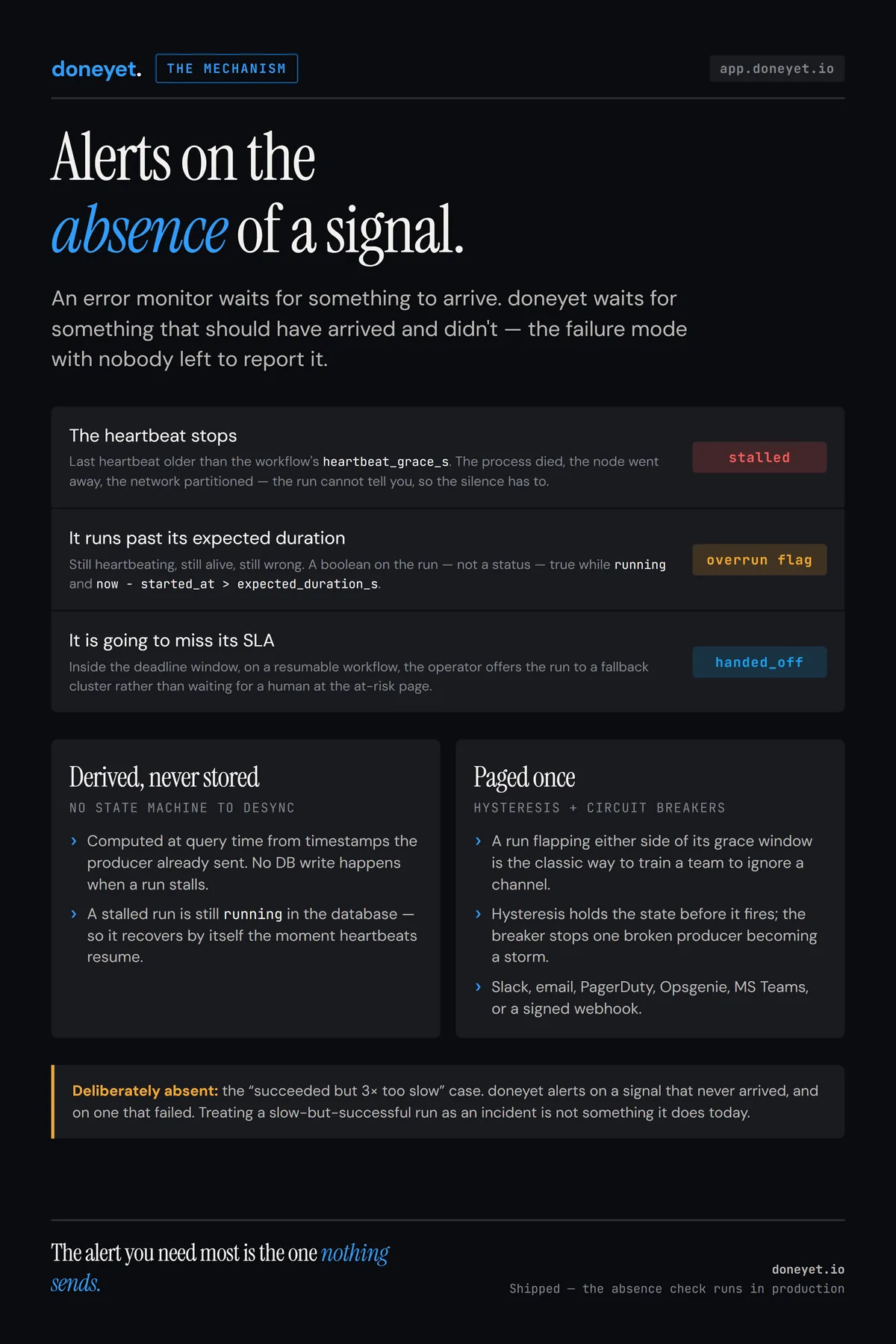
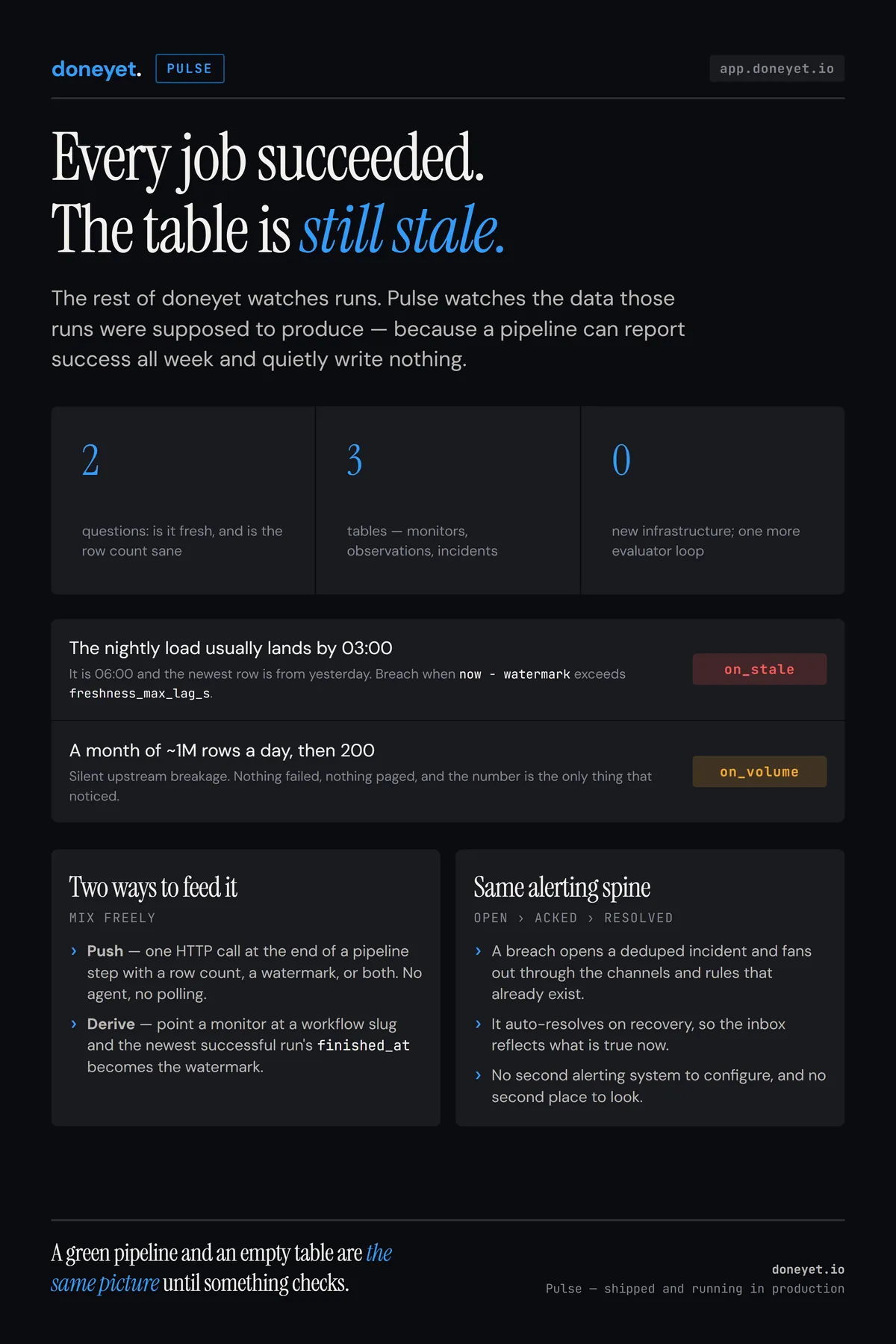
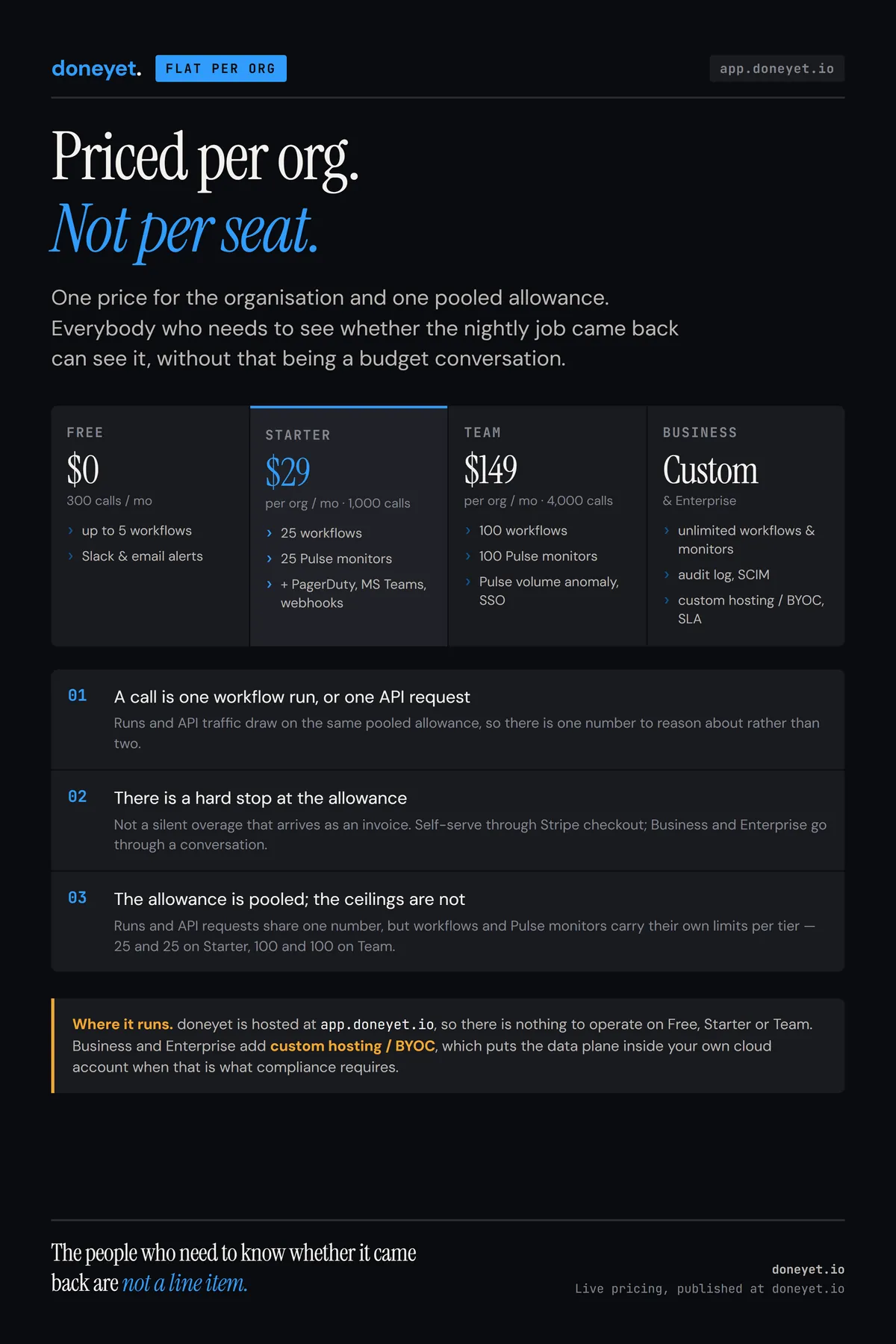
Eleven of the twelve run on your own hardware. They are single files you copy and run — no account, no licence server, no data leaving your network, and several of them work with the internet disconnected entirely. That matters if you are regulated, air-gapped, or simply tired of software that stops working when a vendor does. The exception is doneyet, which is a hosted service; its Business and Enterprise tiers add custom hosting and bring-your-own-cloud when the data plane has to sit inside your own account.
Moving and shaping data
Governing and running AI systems
Access, security and operations
§04
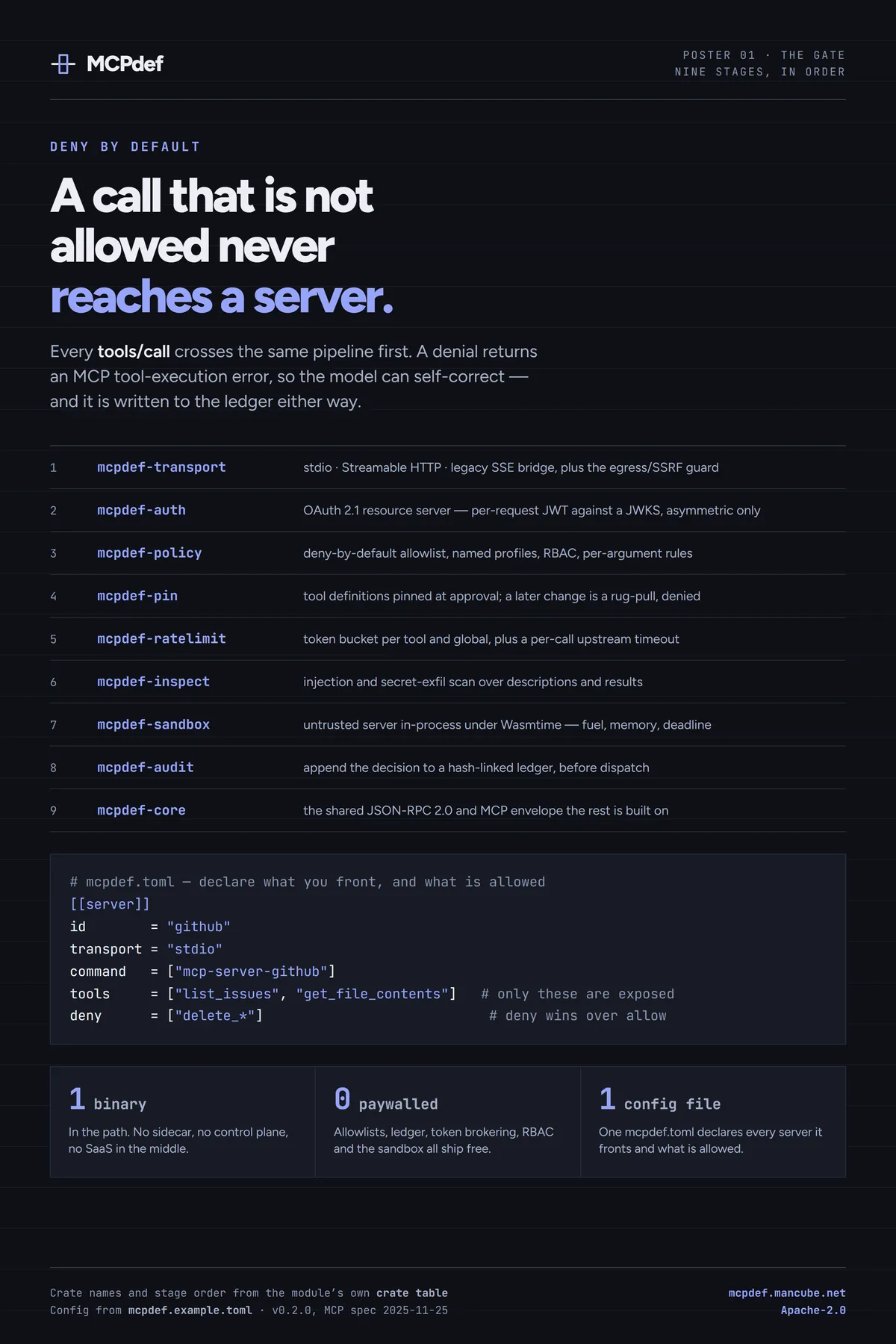
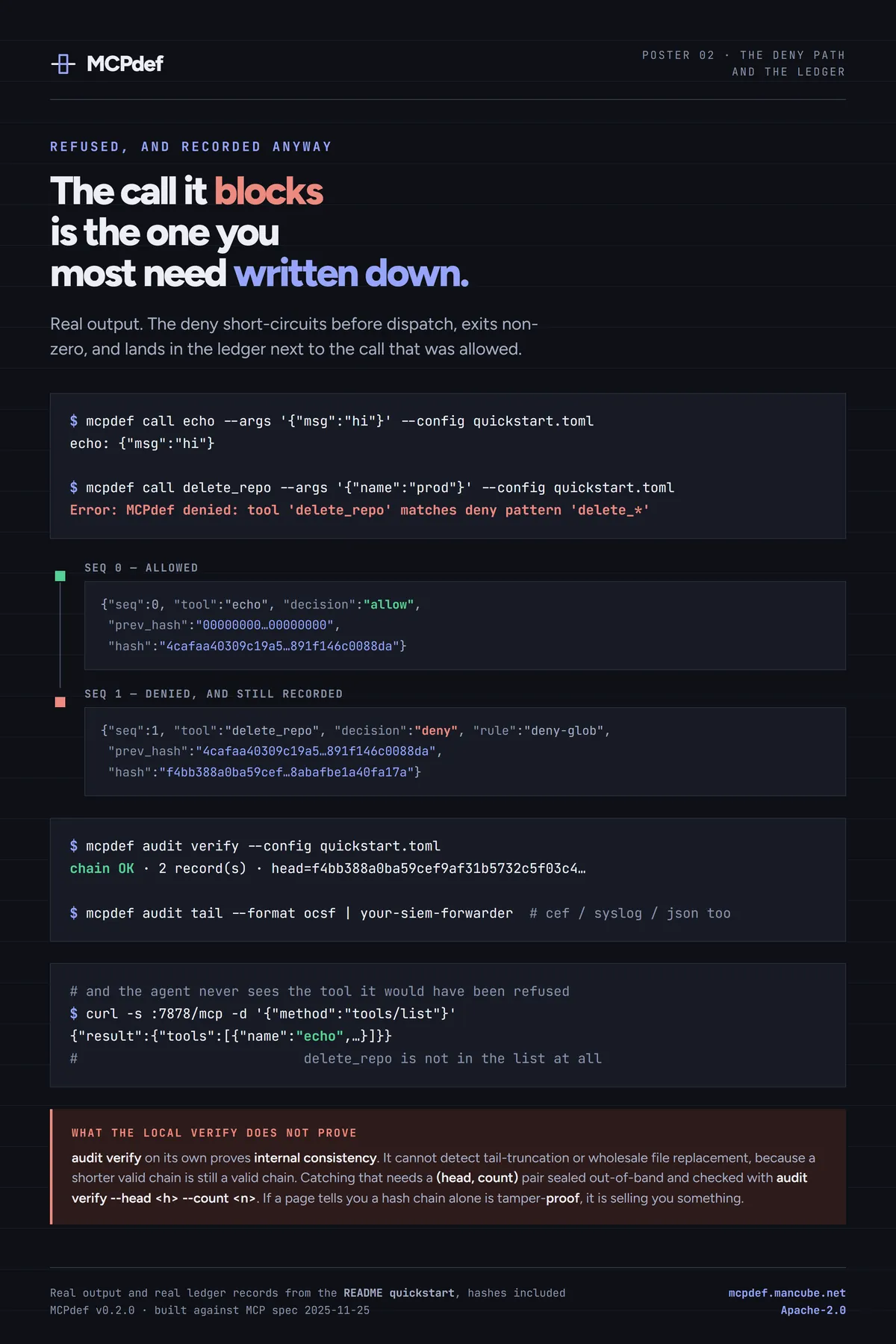
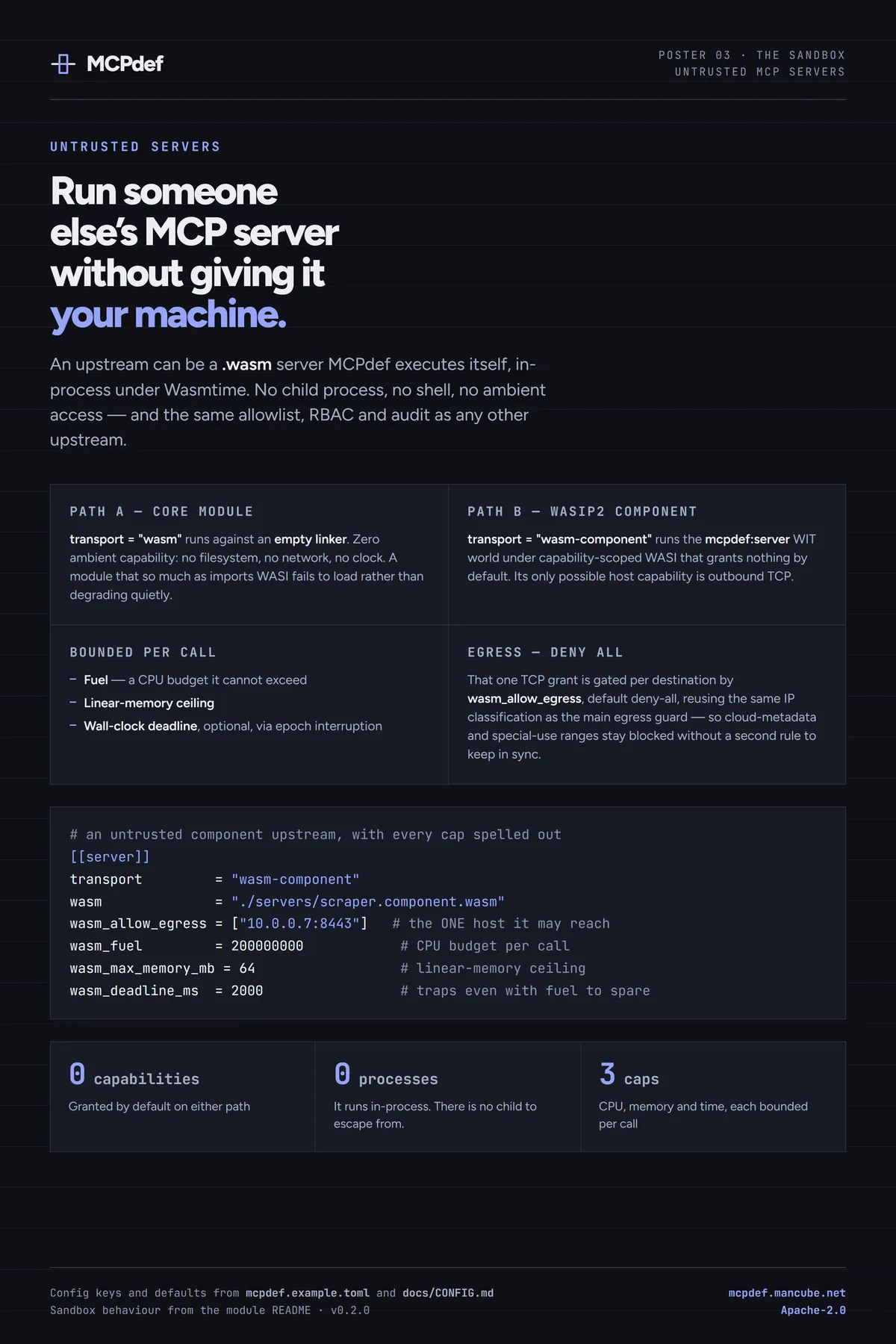
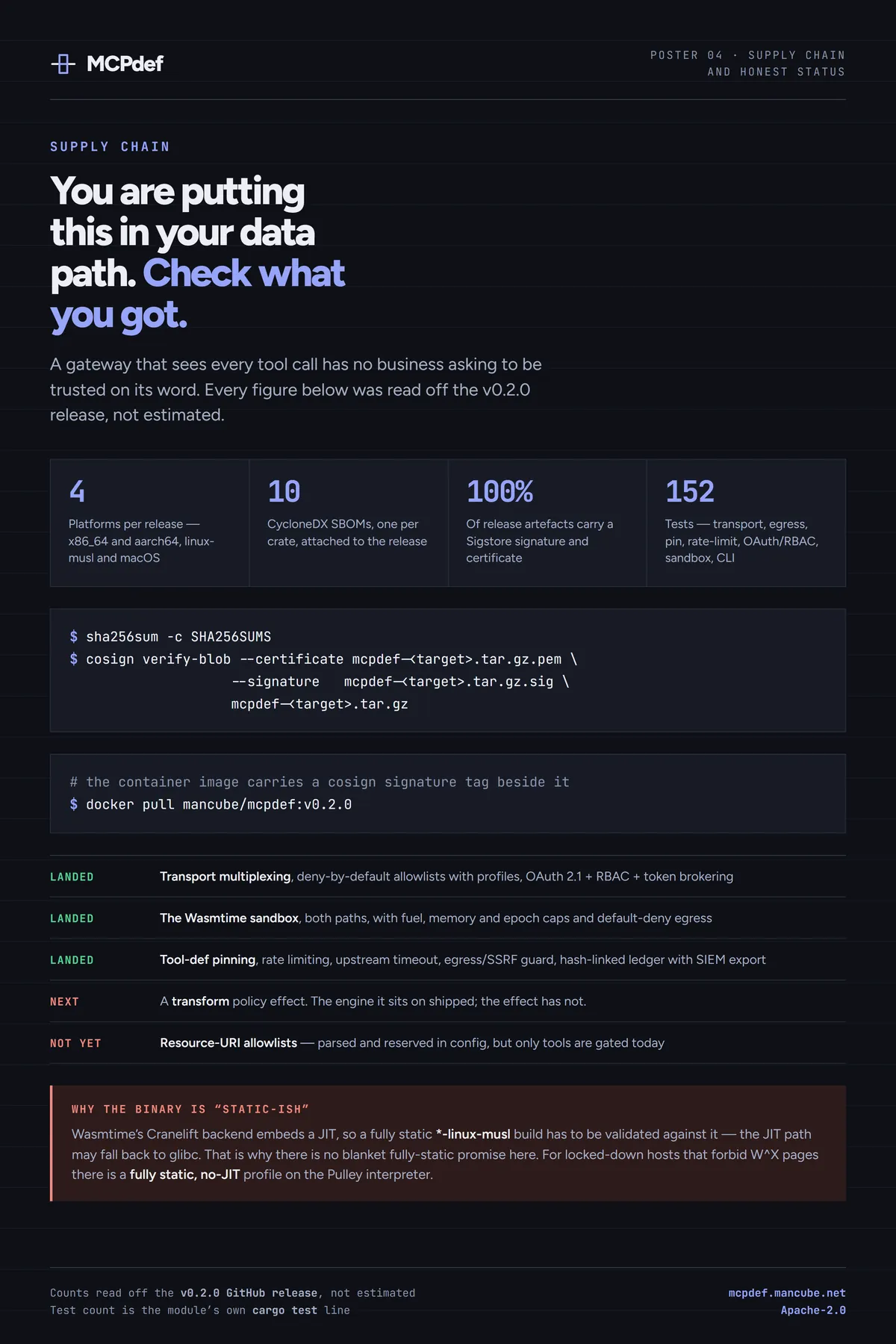
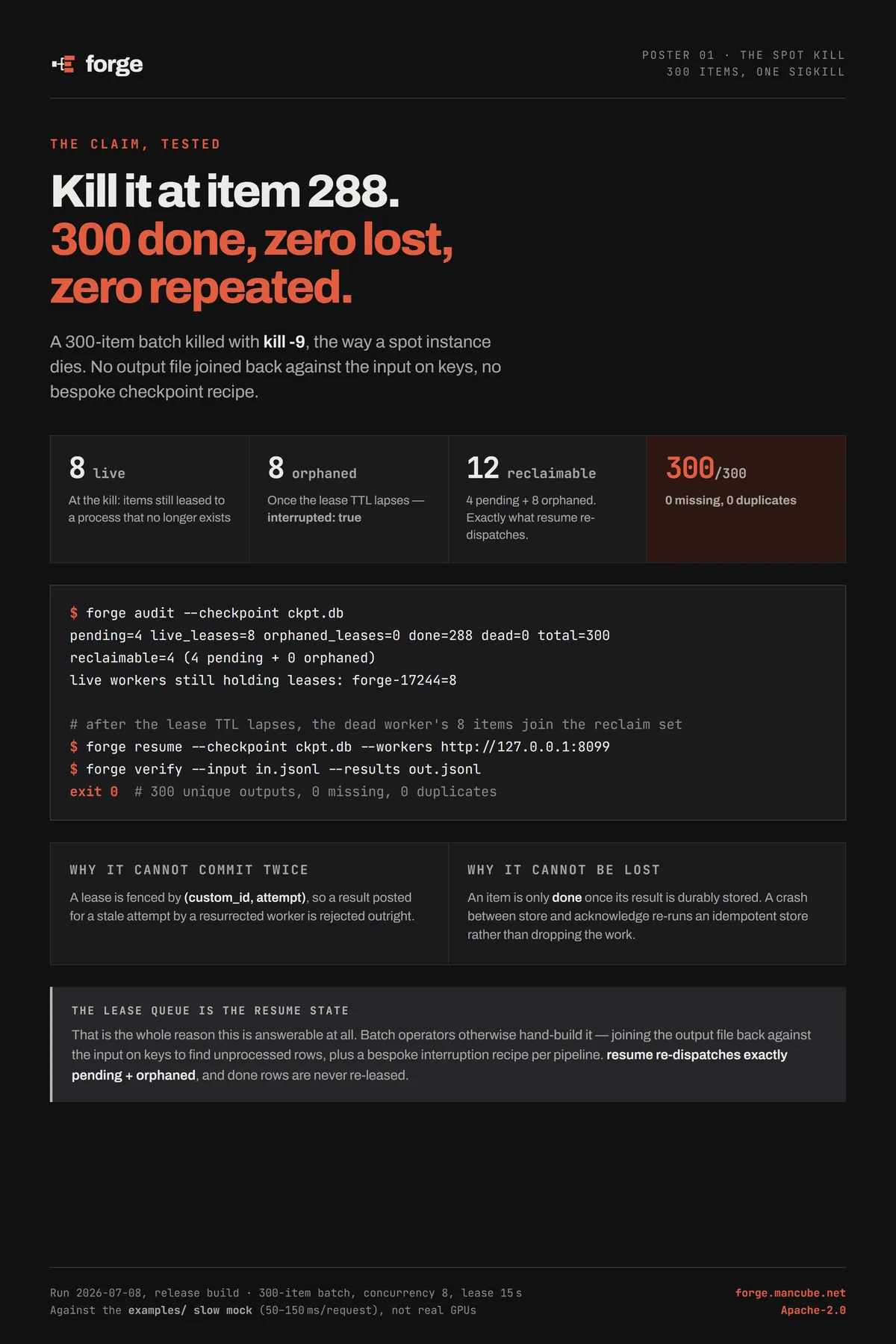
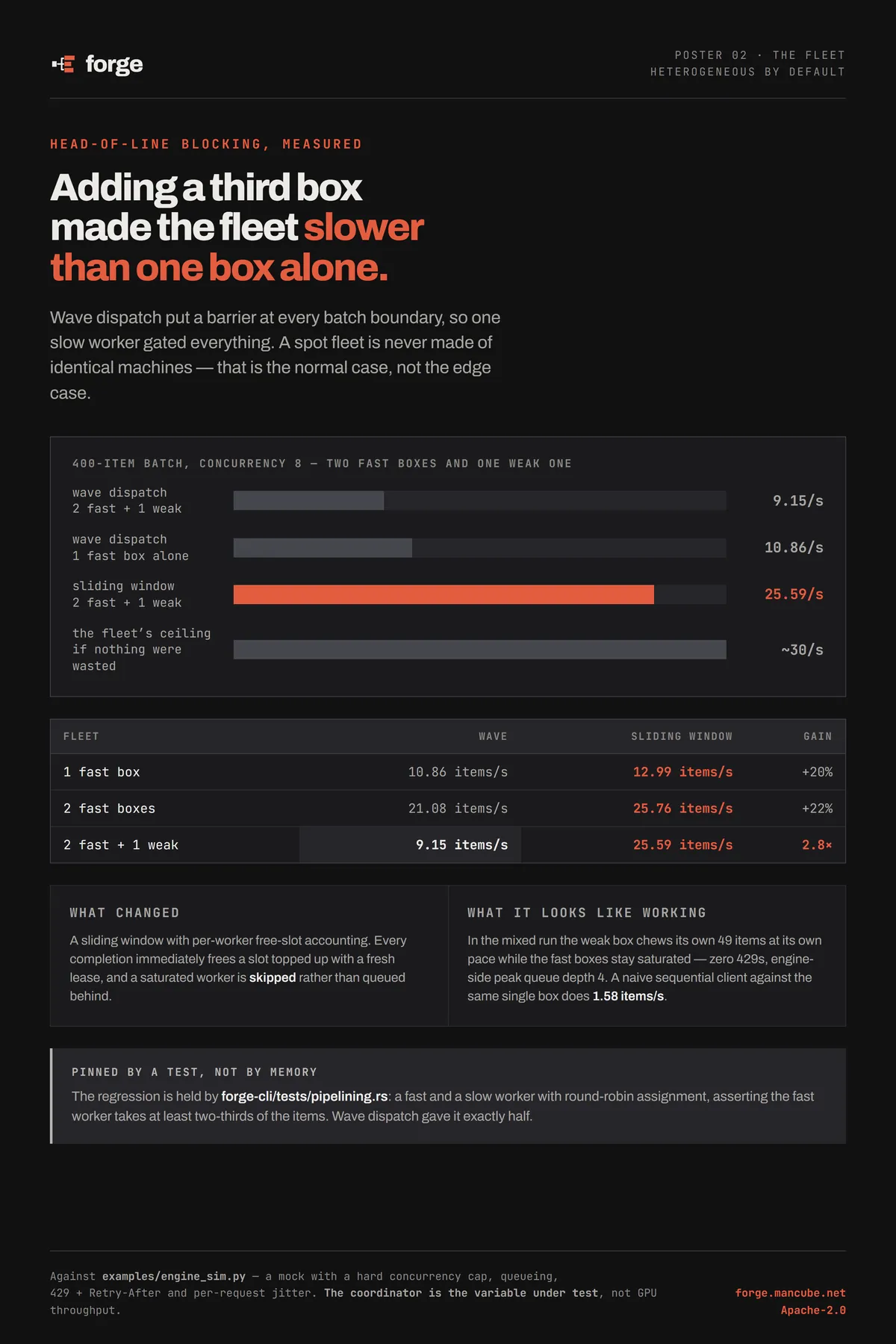
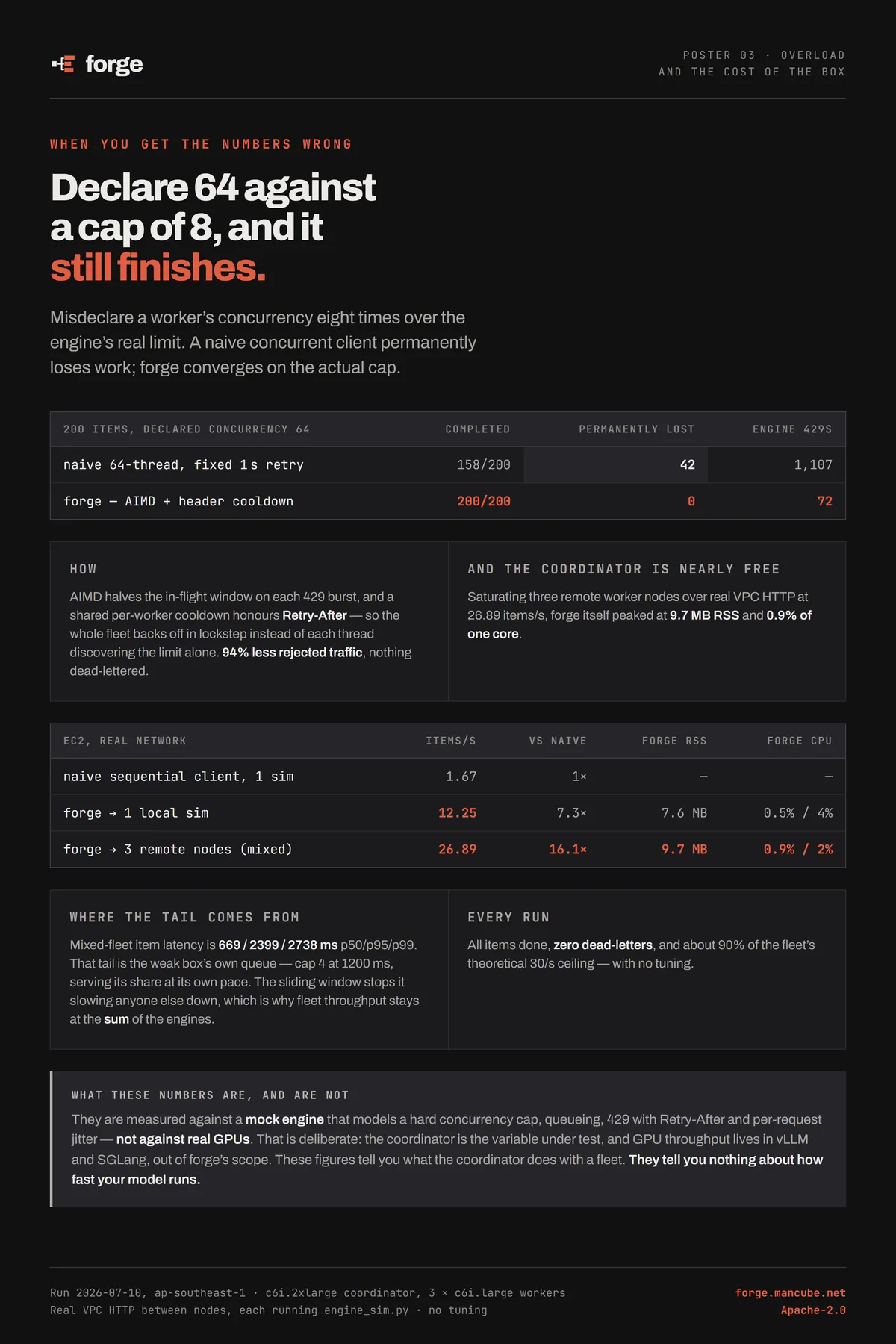
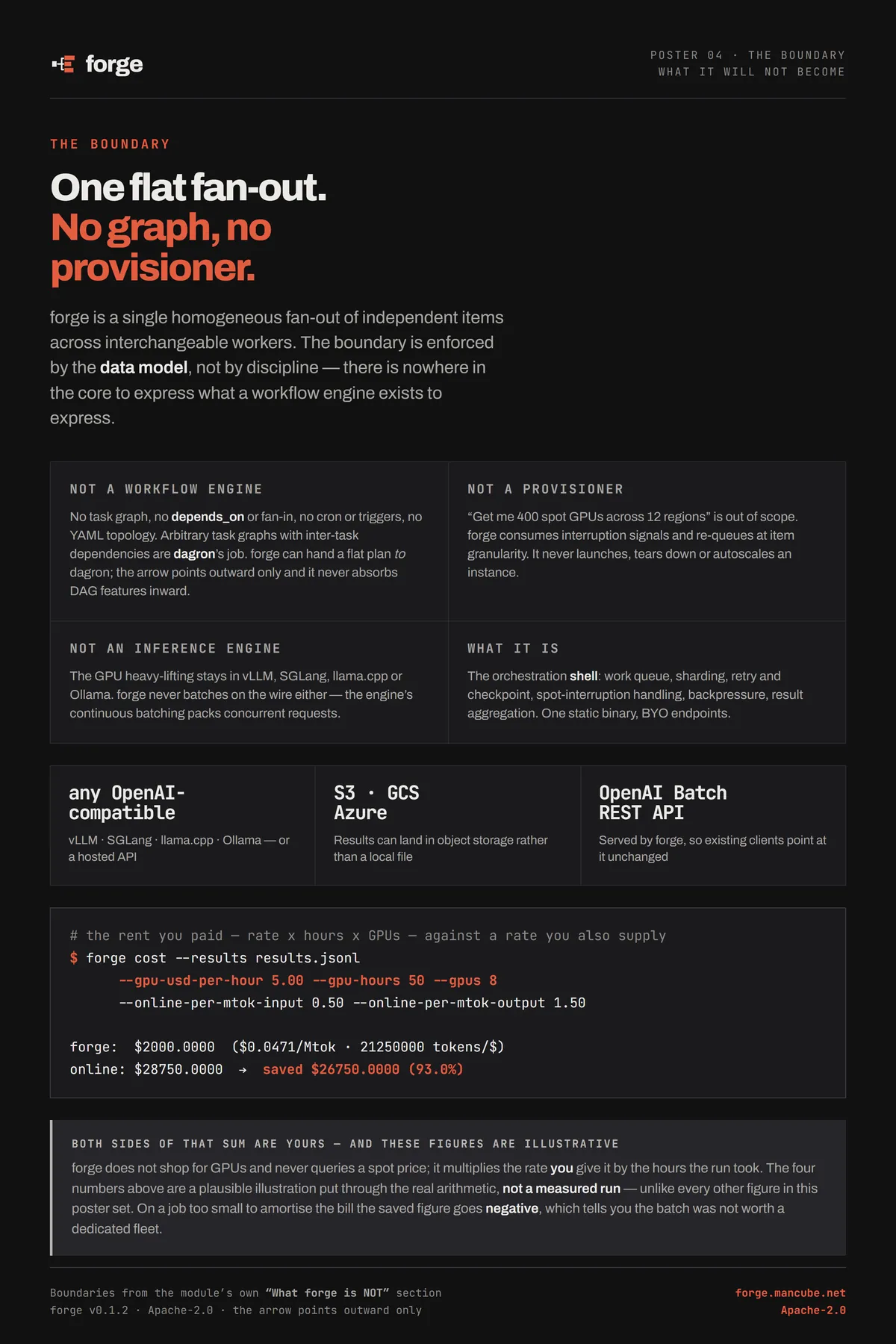
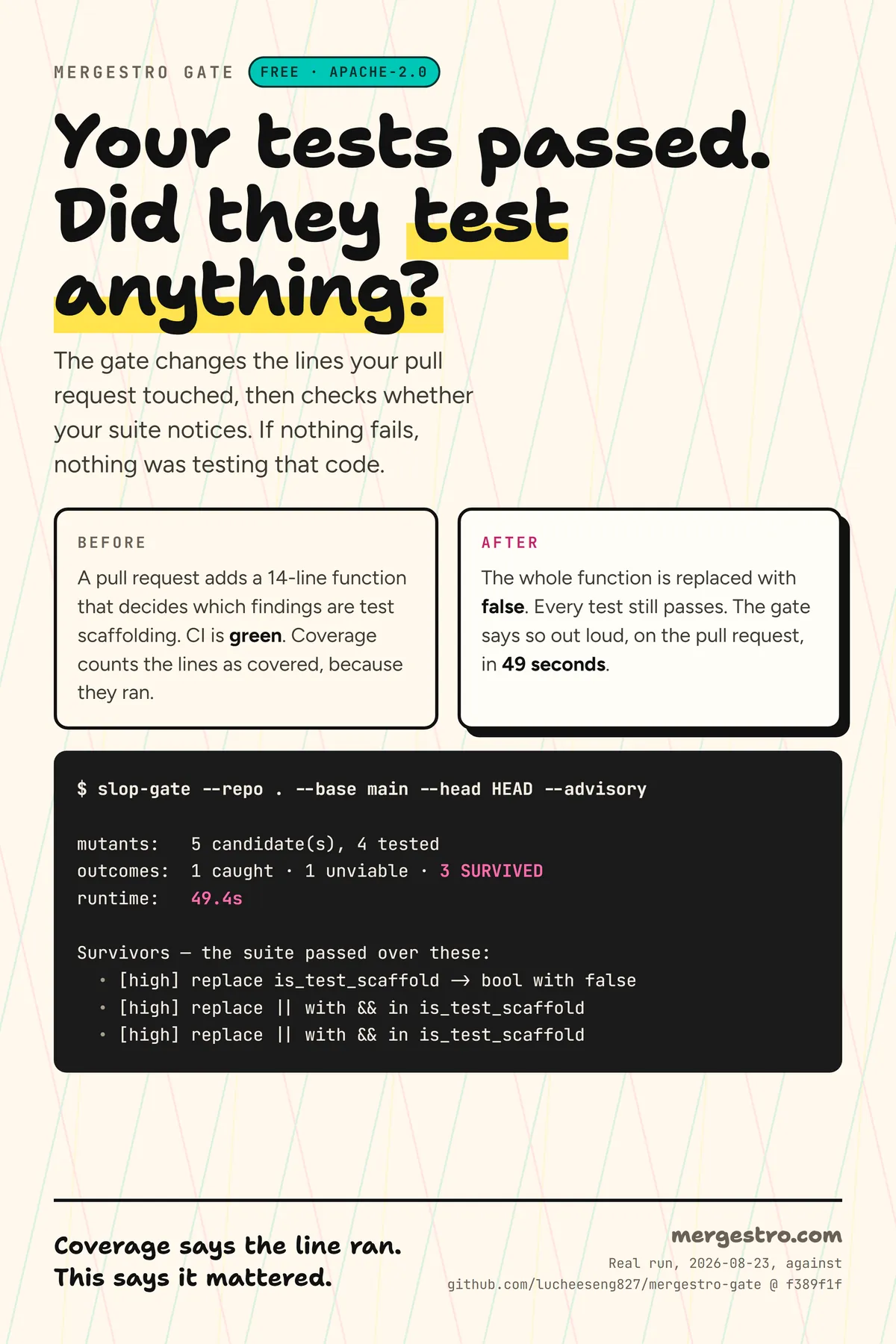
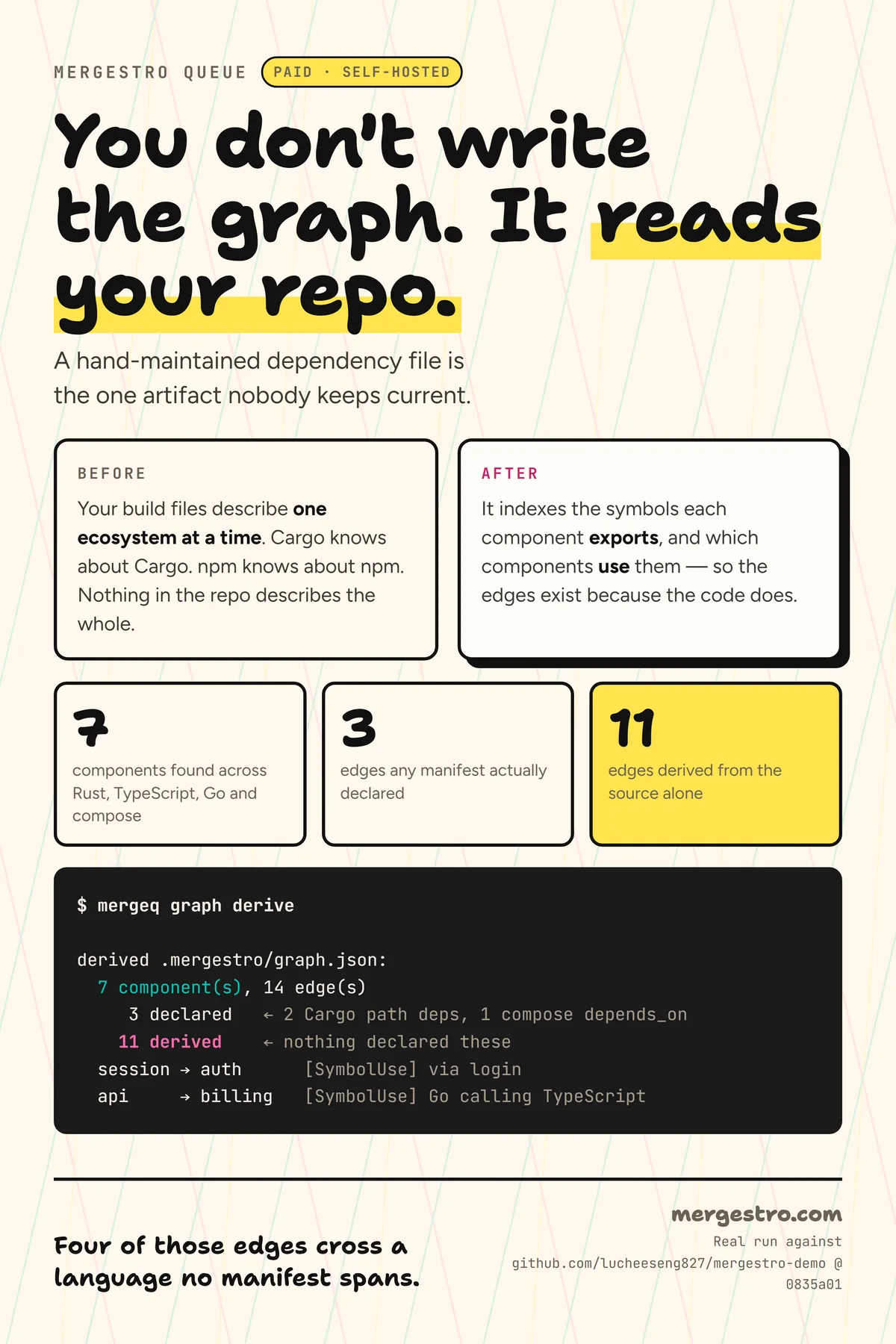
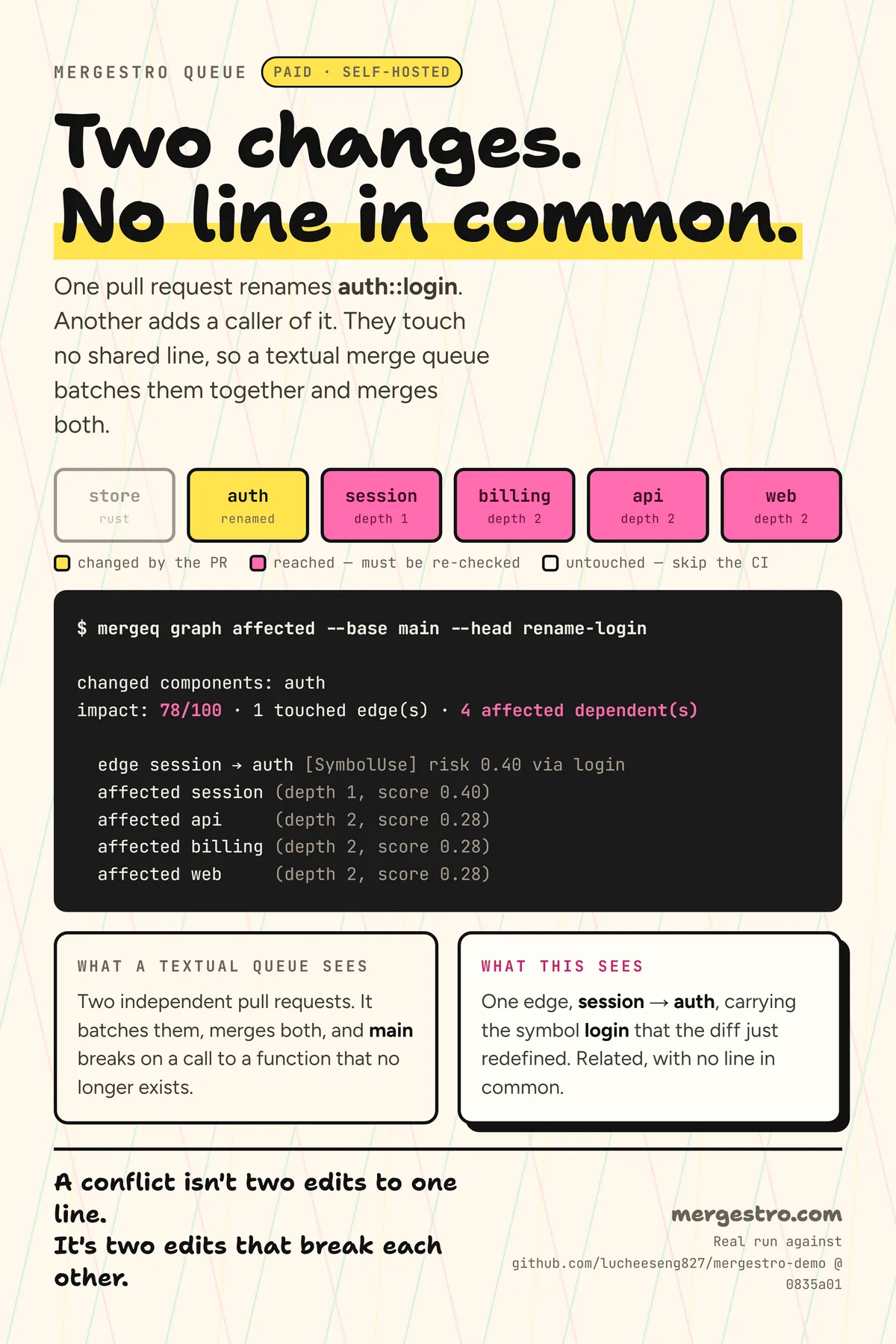
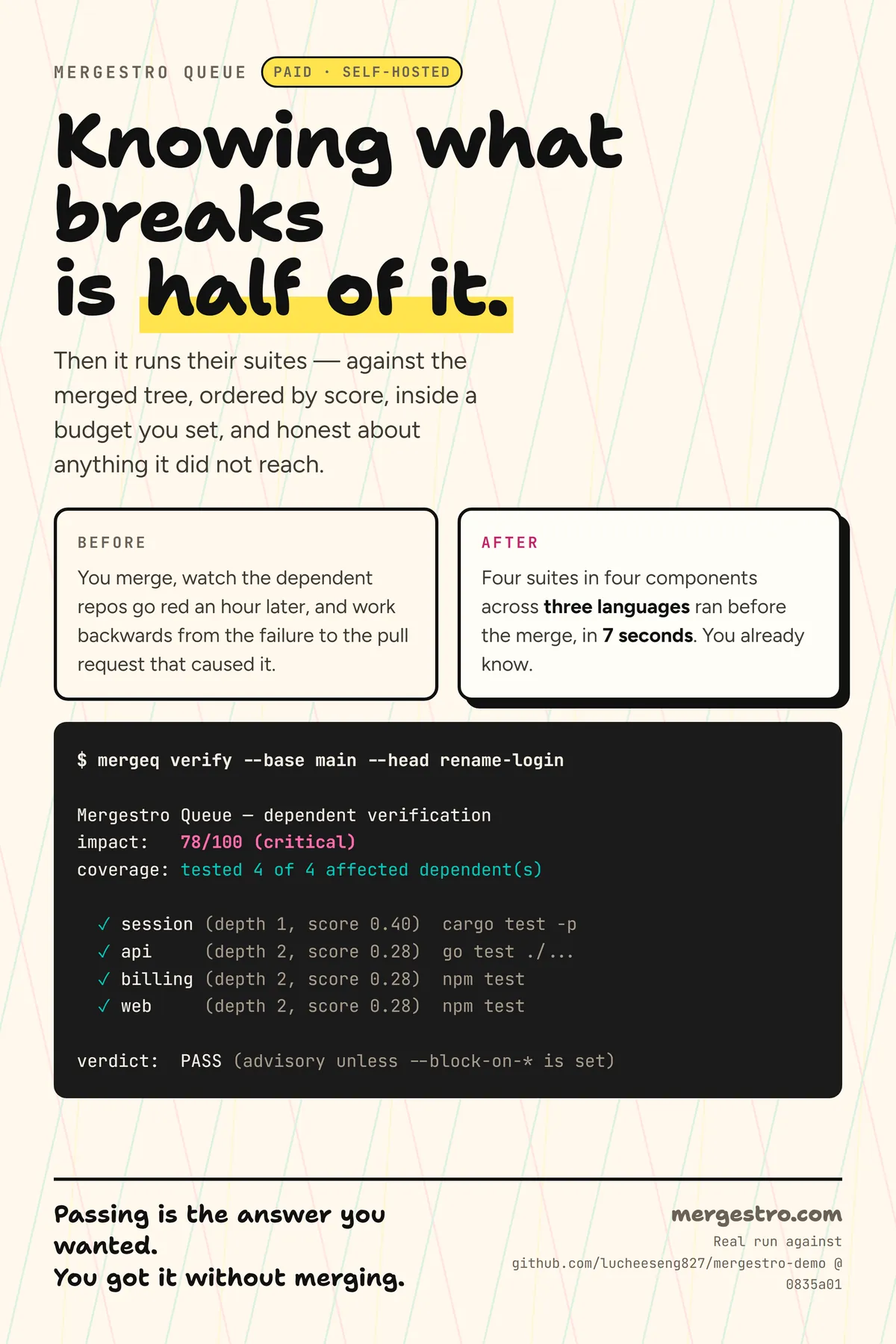
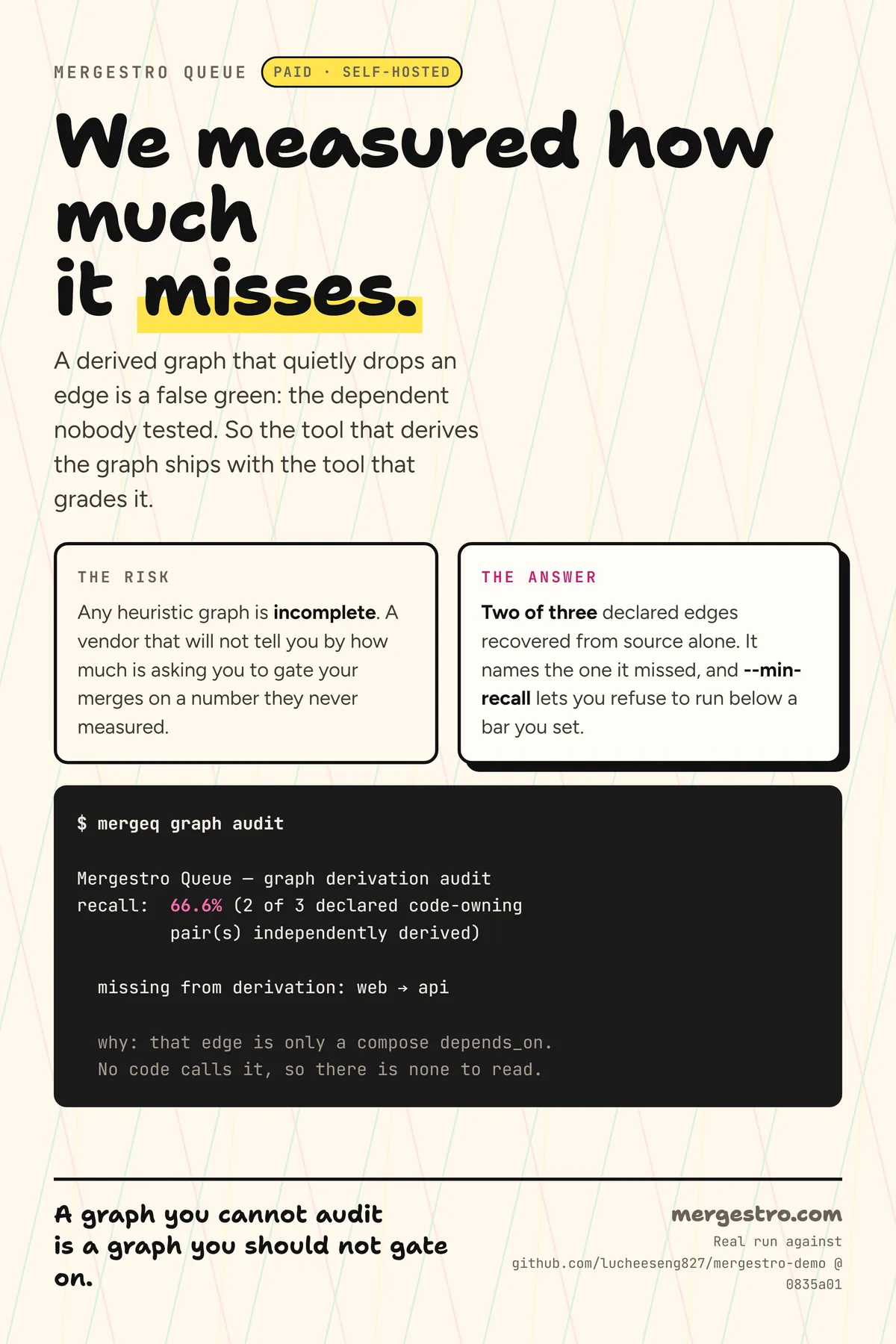
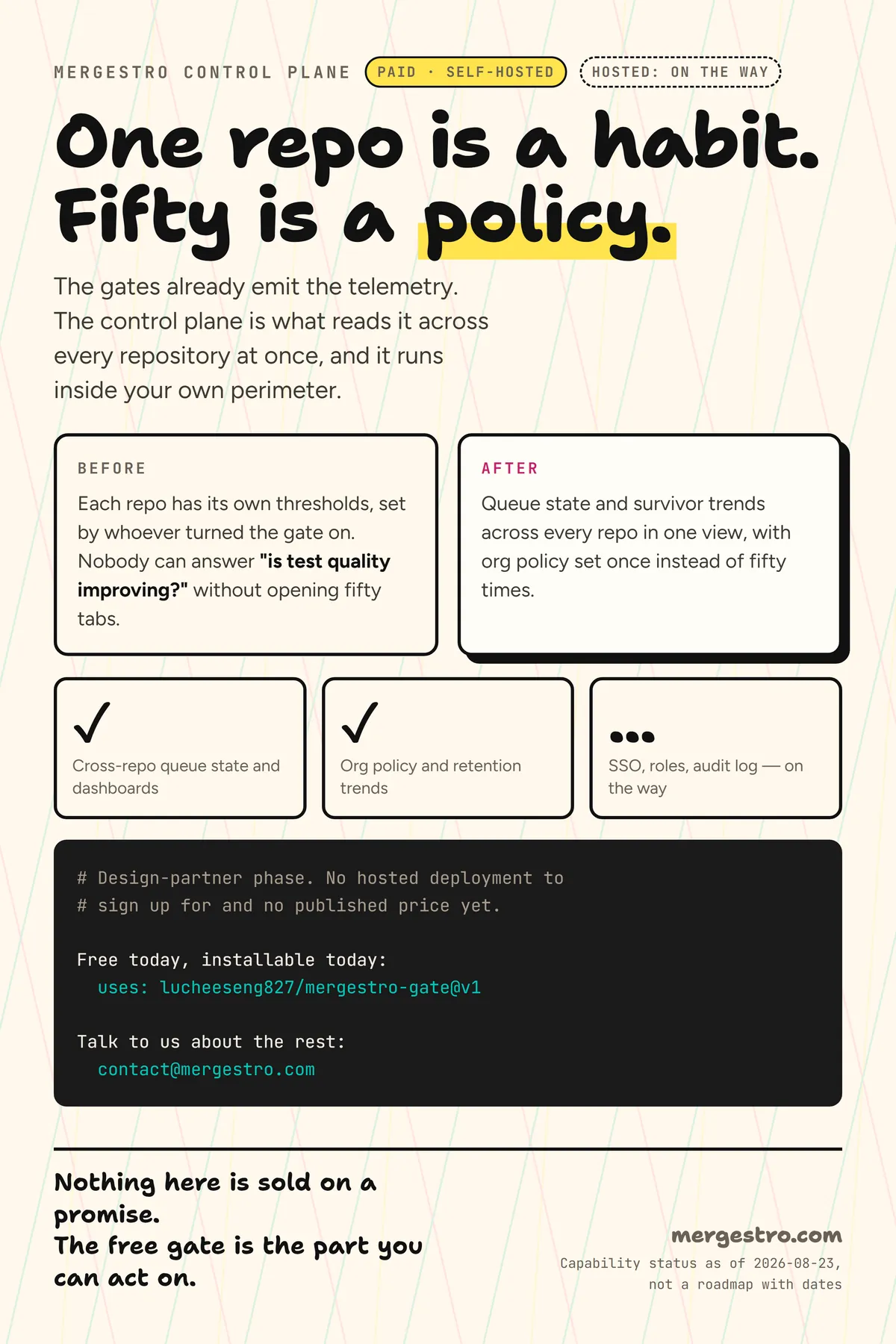
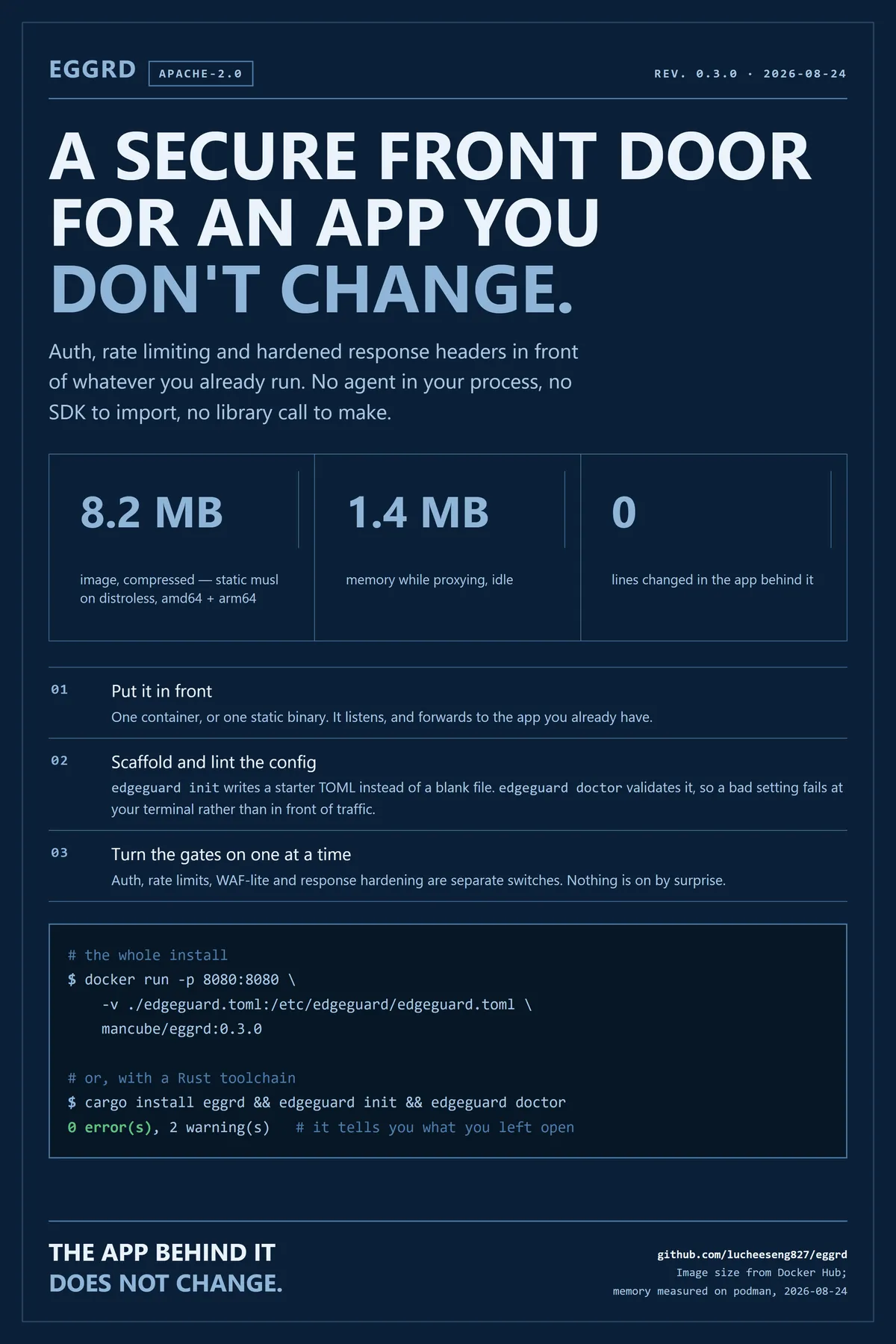
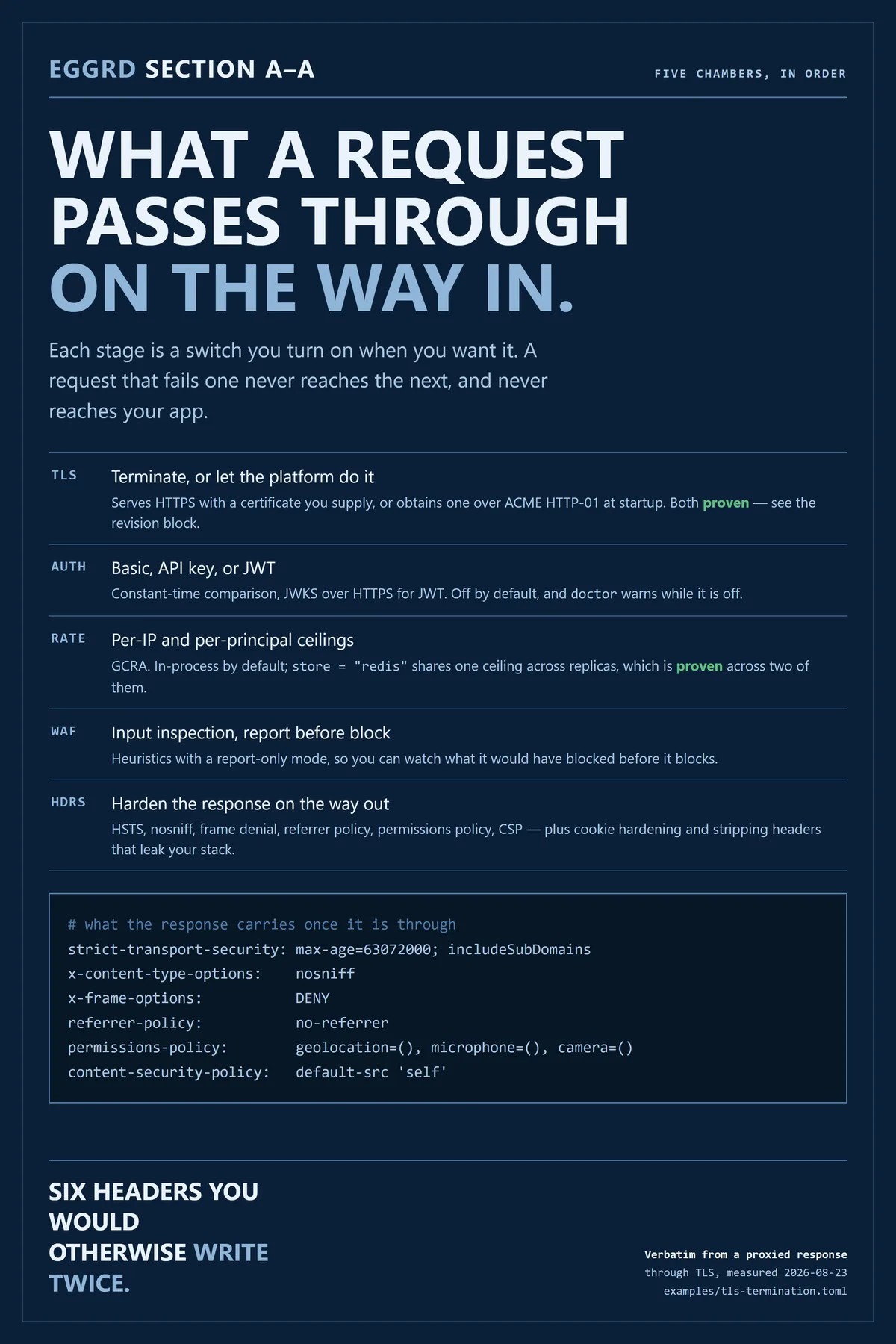
One poster set per product. Every figure on them comes from a real measurement in that product’s own code — including the results that do not flatter us. Worth two minutes if you want to see how we argue with evidence.
Click any poster for a larger version. The full-resolution originals are 2800×4200 and live with their products.
§05
Start at the smallest one that answers your question. Each ends with something running in your environment and written down well enough for your team to keep — not with a slide deck.
A · days · fixed price
Use it when: you suspect something is wrong but cannot say what, or you need an independent read before approving a budget.
B · weeks
Use it when: a decision is stuck because nobody knows whether the thing would actually work.
C · months
Use it when: the decision is made and the work needs doing properly the first time.
Pricing is quoted per engagement once the scope is clear. We do not quote a day rate against an undefined problem, because that is how projects end up costing three times what anyone expected.
§06
We are not the right answer to everything, and pretending otherwise wastes your money before it wastes ours. Here are the honest limits — each one with what we would actually do about it, because “we cannot help you” is rarely the whole truth.
You need hands, not a decision
If the work is already understood and you need people to execute it for a year, a staffing firm is cheaper and faster than we are — and we will say so. What we can do first is turn the unknowns into a specification precise enough that whoever you hire can work from it, and stay available for the decisions that come up mid-build.
It is a website or an app people look at
Design and front-end product work is somebody else’s craft and they will do it better. We build the part underneath — the data, the interfaces it calls, the systems it depends on — and work alongside your design team, or introduce one. You do not have to choose between us.
You want somebody to own it long term
Every engagement is built so your team can take it over, and we will tell you when that point arrives. That is not the same as walking away: we can stay on in a support arrangement for as long as it is useful. The difference is that it stays your choice, because the ability to take over is already there.
You are not sure which of these you have
That is the most common starting point, and it is a fine one. The shortest way through it is a review — days, fixed price, written findings — which usually settles what the work actually is before anyone commits to a build.
If none of this quite describes your situation, say so in a sentence and we will tell you plainly whether it is ours to take.
§07
A paragraph is enough. What the system does, what it does badly, and what would have to be true for the problem to be over. You do not need to know the technical answer — that is the part we are for.
WhatsApp @lucheeseng
English and Bahasa Malaysia. Based in Malaysia; engagements run remote, on site, or inside your own network where the work requires it.
You get an honest read on whether this is work we should take — including when the answer is no, or when a review would settle it more cheaply than a build.